


A Telescope Fish has eyes that can track bioluminescent prey
Deep Sea Exploration
The world can feel like a small, crowded place, but actually two-thirds of the planet remains relatively unexplored. Over 1,500 people have climbed Mount Everest, but only THREE have gone to the deepest part of the ocean.
Up until recently, we haven't had the technology to fully study and explore the oceans, but the race is on. Why is this so urgent? Over 70% of the oxygen we breathe comes from marine life such as plankton. Due to increased CO2 (carbon dioxide), pollution and other manmade changes to the environment, plankton may end up on our endangered species list one day.
Stock Images of Undersea Exploration and Creatures
To protect plankton, marine life and the oceans overall, we first need to understand what is normal, how things are changing, how fast and why. We know that the oceans dissolve much of the excess CO2 that humans create. But this makes oceans more acidic, damaging and killing coral and plankton, and adversely affecting much other marine life.
The biggest challenge in deep-sea exploration has always been the increased pressure the deeper one goes. Most divers comfortably go no further than 130 feet before succumbing to the eventually fatal pressure. The deepest part of the ocean, an area called Challenger Deep near Guam, is about 36,200 feet deep.
Scary Ocean Creature Coffee Mugs
The first submarine was built in 1620 by Dutch inventor Cornelius Drebbel. It traveled along the banks of the Thames River in London, diving to a depth of 15 feet. In 2012, filmmaker James Cameron descended to a depth of 35,787 feet in the DSV Deepsea Challenger, a deep-diving submersible. He was only able to stay at the bottom for about an hour before having to resurface.
The only other two people to dive deeper were Jaques Piccard and Don Walsh in the Swiss & Italian Bathyscaphe Trieste. They reached 35,797 feet in the Challenger Deep section of the Mariana Trench in 1960.
New unmanned robots called mini autonomous underwater vehicles are being used more often. Many of them can be released at once and send back data over a period of time. They could only stay 20 minutes, as one of the windows began cracking from the pressure.
One of the most fascinating and surprising things scientists are discovering is the prevalence of biofluorescent creatures. Even tetrapods, such as sea turtles have been found to glow in the dark of the ocean. Unlike bioluminescent creatures, which make their own light through a chemical reaction, biofluorescent creatures glow when certain wavelengths of light shine on them.
Scientists have discovered over 250 species of fish that use biofluorescence and believe this may be a method of communication in the deep ocean.
As we learn more about the oceans, we can hopefully learn how to save them and also ourselves from extinction.
UnSeen Oceans Exhibit, American Museum of Natural History
nationalgeographic.org
deepseachallenge.com
Deepsea_Challenger, wikipedia.org

Aquatic Living
Whether spring is fast approaching or winter's on its way, thrills abound out on the ocean.
The shores of Monterey Bay provide ideal conditions for surfing and swimming year-round. The South Pacific with its many shipwrecks is a perfect location for scuba diving and the Caribbean with its glassy seas is the perfect destination for a cruise.
Head down to the Dominican Republic for sailing and whale watching or take a yacht off the Riviera to soak in the rays.
Low on travel fare? The beach or your local swimming pool will do! Whatever the place or season, adventures await you on the water.
More Stock Images of Aquatic Adventures Here
Land and Sea Products
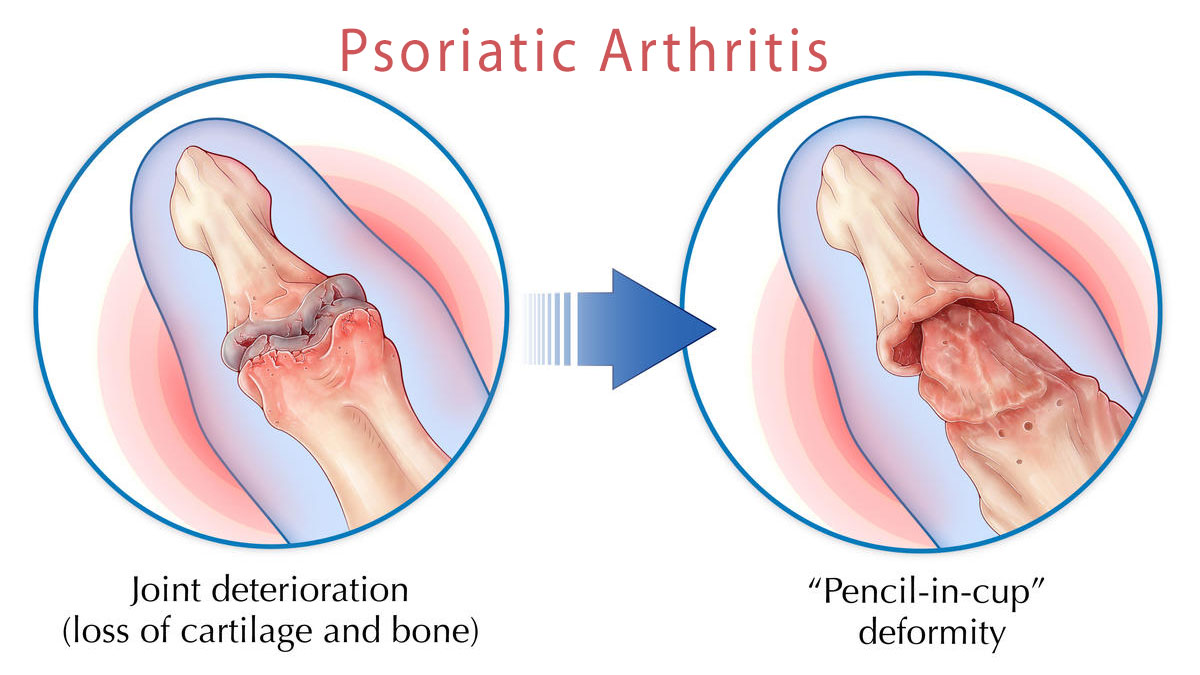
The Heartbreak of Psoriatic Arthritis, Seriously
"The Heartbreak of Psoriasis" has long been a punchline in the media, used in a quirky 1960's TV commercial, an avant-garde play and even a hit song.
But, having psoriasis, and especially psoriatic arthritis, is serious. Psoriasis is a non-contagious condition related to immune system function and often runs in families. There is no cure, and the itching, cracked, bleeding skin and embarrassing silvery thick scales brings anguish to those who are afflicted. It can range from the occasional small patch with years of remission to a lifelong full-body debilitating condition.
View Stock Medical Images of Psoriatic Arthritis
A small percentage of psoriasis patients develop psoriatic arthritis, which painfully swells the joints, deteriorates bones and eventually deforms hands, feet, and the spine to crippling degrees. This spinal condition is called ankylosing spondylitis.
Patients with psoriasis are more likely to have other health issues as well. These include an increased prevalence and risk of inflammatory bowel diseases (IBD), Crohn’s disease and ulcerative colitis. Also, a common ophthalmic disease in these patients is uveitis.
Ointments and creams are a helpful treatment for those with mild to moderate psoriasis, but, there has been little help for patients with 10% - 100% of their skin affected. Now a handful of immunosuppressant and biologic drugs offer miraculous relief.
Unfortunately, these effective drugs do come with side effects including an increased risk of cancer, tuberculosis, kidney problems and susceptibility to life-threatening infections.
Some patients prefer exploring alternative treatments. These range from doctor-approved treatments such as phototherapy with UV lights, pine tar derived formulas and weight loss, to more questionable 'cures' such as swimming in the Dead Sea, smearing yourself with vegetable shortening or megadosing on zinc tablets. A popular ancient treatment was a concoction of onions, sea salt, and urine.
Avoiding triggers such as stress, citrus, red wine, processed meats, gluten, dairy, and others may help some. These do not work for everyone, and require self experimentation over months or years to see results.
No matter how mild or severe your psoriasis, there is a large psychological toll. Cyndi Lauper, Kim Kardashian, Art Garfunkel, LeAnn Rimes and other celebrities who speak openly about their battle with psoriasis bring a positive life outlook to sufferers.
Along with continuing medical research, the future holds promise for those with psoriasis and psoriatic arthritis.
National Psoriasis Foundation
psoriasis,org
psoriasis severity, psoriasis.com
Mayo Clinic Staff, Psoriasis diagnosis and treatment, mayoclinic.org
Psoriasis Hall of Shame, pinch.com

Marine pollution by plastic bags can cause bowel obstructions in sea turtles, who swallow them thinking they are jellyfish.
Earth Day: Plastic in Our Waterways
This year, Earth Day gatherings will be bringing awareness to the dangers of plastic in our environment, especially our waterways.
Plastic pollution is poisoning our oceans, injuring marine life, and affecting our health.
Currently, there are five patches of floating plastic debris in the ocean. The one between California and Hawaii is the size of Texas. Animals in the ocean get ensnared or eat the plastic and die or are maimed by it. By 2050 there will be more plastic in the ocean than fish.
View Stock Images & Video About Plastic Pollution
Additionally, some of the plastic consumed by fish becomes part of the human food chain.
Since the invention of plastic in 1907, our lives have become more convenient. Now we're becoming aware of the damage it is doing to us, our natural ecosystems and our climate.
42% of plastic in use today is for packaging, accounting for 54% of landfills.
Chemicals that leach from plastic food and beverage containers cause health concerns such as impaired brain and neurological function, diabetes, obesity and even resistance to chemotherapy.
Earth Day is an annual event in its 48th year. Approximately 1 billion people take part in 192 countries. In its first year, it helped propel the creation of the Environmental Protection Agency and laws such as the Clean Water Act, the Endangered Species Act, and many more.
Learn More about Earth Day
and How You Can Help
earthday.org

The Robotic Age
Our new chrome overlords or the engines of the future?
Robotics has fascinated human beings for centuries. Mechanical soldiers were said to guard the Buddha’s relics in ancient India and automatons were kept in Victorian homes to entertain dinner guests.
As we enter a new technological era, robots have moved beyond the realm of fantasy into everyday life. Robots play an essential role in the automotive and tech industry, working in assembly lines to produce many of today’s cars and electronics. In the medical field, prosthetic limbs and implants are becoming more common, as they grow in efficiency and lower in price.
Gift Ideas: Robot Coffee Mugs, T-shirts, Masks, Tote Bags
As robotics makes further strides into the future, not all people are happy. Beyond sci-fi paranoia, the fear of a job market without human labor has many low-level workers worrying about their continued employment. In truth, only time will tell what the robotic age will bring.
Robot, Wikipedia.com
Mechanical miracles: The rise of the automaton. Christies.com

Book a Vacation to the Moon
Bored with traveling to the beach, the mountains or even a big resort? Why not book a trip to outer space? Experts say we may soon be able to enjoy a champagne lunch in orbit, spend a week lounging on the Moon or take an adventurous voyage to Mars.
Space travel is no longer the exclusive realm of big governments. In fact, companies, such as major airlines, are making strides toward space tourism.
Gift Ideas: Space Tourism Shower Curtains, Coffee Mugs
Aside from fun and adventure, regular space travel can have many benefits for an ever more crowded planet with fewer natural resources. Once us humans get the hang of frequent space flight, we can colonize and gather much-needed resources such as gold, silver, tungsten, nickel, aluminum and even clean water from asteroids. And unlike mining on earth, we would not be harming wildlife or rainforests.
Some forward-thinking scientists have even proposed traveling to Mars and beyond aboard an asteroid colony. We could build an entire city inside a hollowed out asteroid while using its resources. And possibly explore outer space even further than ever before.
So, start saving now as tickets will likely start around $250,000 and go into the millions of dollars depending on which adventure you choose.
Stock Images of Space Tourism & the Future of Space Travel
Human Space Exploration, space.com
Future of Spaceflight, nationalgeographic.com
Beyond Planet Earth the Future of Space Exploration, amnh.org
Torah Kachur, Asteroid Mining, cbc.ca
Colonization of Asteroid, wikipedia.com
Space Tourism, wikipedia.com

T-cell attacking a cancer cell
Immunotherapy: A Possible Cure for Lung Cancer?
There is very exciting news for lung cancer patients this week. A new set of drugs that boost the immune system has shown an over 50% increase in the survival rate of patients with the most common type of lung cancer.
Lung cancer is by far the leading cause of cancer deaths around the world, with 1.7 million deaths a year and over 150,000 in the United States alone.
These new drugs are often given before surgery. Some surgeons say they can almost see the tumors melting away.
Called checkpoint inhibitors, they unleash the patient's own immune system to fight lung cancer. How does it work? It isn't totally clear, but chemotherapy can burst bubbles of cancer cells and these immunotherapy drugs help the body's own immune system to identify and kill off these cells. The immunotherapy drugs work best when taken in conjunction with chemotherapy.
Dr. Roy Herbst, a lung cancer specialist at Yale Cancer Center suggests that in the future every lung cancer patient may be given the option of immunotherapy first.
Sadly, not all patients are candidates for this therapy and some suffer severe side effects. At more than $100,000 a year treatment can also be cost-prohibitive. It's recommended the immunotherapy drugs be taken for two years.
“I have never seen progress move so fast,” Herbst told NBC News. Who knows what hope the upcoming years will hold for cancer patients. These are very exciting times in this field of medicine.
Some patients are still alive eight years later. Even though it won't be considered a cure until people have survived for at least 10 years, people are hopeful. The next few years will tell.
Images and Video of Lung Cancer and Immunotherapy
Visualization Gifts of Cancer & Immune Cell Coffee Mug
Denise Grady, nytimes.com
Maggie Fox, nbcnews.com

Fractals: Neverending Geometric Shapes
Ice crystals, tie-dye swirls, and lightning bolts all play by the same rules in fractal geometry.
Ubiquitous in nature, the fractal is a pattern or shape that repeats itself progressively at smaller and larger scales.
First observed by Leibniz in the 17th century, the concept of self-similarity evolved for generations, until Benoit Mandelbrot coined the term 'fractal' in 1975. His invention of the Mandelbrot set, one of the most recognizable fractals, drew significant parallels between mathematics and the natural world. He discovered that fractals could be found throughout the known universe, in everything from tree canopies to heartbeats.
Fractals became a popular theme in psychedelic art, often presented as infinite spirals in the famous Mandelbrot set. Their use long predates this, however, appearing first in African design and a variety of architectural schools.
View Fractal Stock Images & Stock Video of Fractals
Fun facts: Over 50 works by the painter Jackson Pollock are considered fractal in nature; the novel Infinite Jest by David Foster Wallace is also said to have a fractal structure.
Challoner, Jack. How Mandelbrot's fractals changed the world. bbc.com
Fractal. wikipedia.com

Marijuana in the Modern Age
Originally grown as a medicinal plant, marijuana (Cannabis sativa) has come full circle as it gains its place in the world of modern medicine for pain relief, and as an antiemetic. Patients diagnosed with cancer, HIV, glaucoma, Crohn's Disease, and a number of other conditions claim that cannabis relieves their suffering. It is also used to control nausea induced by chemotherapy treatments.
Marijuana use does have side effects. It is proven to increase heart rate, lower blood pressure, and cause dizziness. A dangerous side effect, if you are driving, is a slower reaction time. Car accidents more than double when a driver partakes of marijuana.
Marijuana has been long-feared to be a gateway drug toward the addiction of other illegal drugs, such as cocaine or opioids. Studies are now being done to see if marijuana changes the brain to make it more likely to become addicted to other substances.
No matter which side of the marijuana debate you are on, it is a fascinating and controversial topic. Scientist, educator, photographer and now author Ted Kinsman has delved deep into this topic on the microscopic and artistic level. His images bring to colorful life the stunning beauty of this diverse plant, showcasing the unique and bizarre details of marijuana on the microscopic level.
Science Source Images is proud to represent not only this Ted Kinsman Collection but to make available a broad range of his beautiful scientific photographic work.
Book: Cannabis: Marijuana Under The Microscope by Ted Kinsman
Order Cannabis Tote Bags, Phone Cases, and Other Gifts
What is Medical Marijuana Used For, webmd.com
Anne Harding. Medical Marijuana Uses, webmd.com
Want to Know Some FAQs About Marijuana, drugabuse.gov
Marijuana Gateway Drug, 2018, Feb 12, NIDA, drugabuse.gov
Marijuana, 2018, April 9th, drugabuse.gov
Jennifer Robinson, MD, Marijuana Use and its Effects, webmd.com

Tesla Coil was a touted to restore hair, cure cancer, increase intelligence and cure gout.
Alternative Medicine: Quackery or Cure?
Ancient remedies, herbal concoctions, and new-age cures reign supreme in the world of alternative medicine.
Although there is no accepted definition, alternative medicine usually refers to remedies and techniques on the fringe of established medical practice. Some include Reiki, ozone therapy, homeopathy, acupuncture and more.
Alternative medicine came to prominence in the west during the 1960s and ’70s, as people began challenging traditional norms and embracing divergent opinions. Since then, a new marketplace of remedies and treatments has sprung forth, offering everything from stone massages to color therapy. Cures range from the strange to the revitalizing to the downright unscientific. (Edzard Ernst Ph.D. claims that only 7.4% of alternative medicine is grounded in empirical evidence.)
Just quackery or the true cure? Whatever the case may be, alternative medicine is here to stay. See more below.
Unmodern Medicine: Unique custom Gifts
Alternative Medicine, wikipedia.com
Kiefer, David MD. "What is Alternative Medicine." webmd.com

The Unbreakable Bond Between People & Bees
Over thousands of years, bees and humans have forged an unbreakable bond. We find bees and humans on Ancient Egyptian hieroglyphics, and medieval manuscripts, traveling on the Space Shuttle, and more recently trained to sniff out explosives.
Nearly one-third of our food is pollinated by bees. Without pollination, we would no longer enjoy the bounty of apples, cherries, cucumbers, and most other fruits and vegetables.
Explore Stock Images & Video of Bees
Bees also make honey and people can use honey to heal wounds. Even the ancient Egyptians knew that honey could help heal cuts and burns, without understanding its antibiotic properties. Today manuka honey is used in hospitals and doctors offices to treat severe burns. And doctors are still discovering new uses, such as fighting peptic ulcers.
Unfortunately, bees face many challenges today; from Colony Collapse Disorder, pesticides, mites, and even climate change. Many people are fighting to keep bees alive by preserving their health and environment. There's even a smartphone app that warns beekeepers of disease in their hives.
Insect Photos for Home Decor and Fun
See the Bee Exhibition at the Bruce Museum
wired.com/2011/07/nasa-oddities-gallery/
pri.org/stories/2015-12-02/what-we-can-learn-ancient-egyptian-practice-beekeeping
ncbi.nlm.nih.gov/pmc/articles/PMC2831240/
sustainweb.org/foodfacts/bees_are_important/
greendustriesblog.com/greendustries/2012/04/12/bees-and-survival-of-the-human-race/
cnn.com/2018/01/15/health/honey-health-benefits/index.html
guides.library.harvard.edu/c.php?g=310733&p=2072758

Visit Our Stock Photography and Stock Video Website
Hanami and Sakura Matsuri
From ancient Japan to hipster Brooklyn, Hanami has captivated the minds of artists, poets and naturalists for generations.
Hanami or the Japanese tradition of flower viewing began in 9th century Japan when Emperor Saga began hosting cherry blossom festivals, attended by artists and poets of the court. Hanami became a metaphor for life – vibrant, beautiful, and ultimately fleeting.
The Shinto tradition held that Kami or spirits resided in the cherry trees, until the flowers bloomed and dispersed, heralding the beginning of spring. During the Edo period, Hanami spread beyond the court and became a nationwide event.
Today Hanami is enjoyed throughout the world, notably at the Brooklyn Botanical Garden, where the festival, Sakura Matsuri is hosted yearly in March and May.
Flower and Blossoms Home Decor and Accessories

A Tragic Family of Diseases: Neurodegenerative Disease
There is a family of diseases with two things in common – they involve the death of nerve cells over time and have no known cure. They are called neurodegenerative diseases.
Parkinson's, Alzheimer's, ALS (amyotrophic lateral sclerosis), and Huntington's are a few of the more universally known ones.
Neurodegenerative Disease Stock Images & Stock Video
What they have in common is the progressive loss of structure, function or death of nerve cells - called neurons. Neurons are the building blocks of your brain and spinal cord. The body cannot replace or reproduce them, so once they are damaged, they are lost.
Drugs and treatments are available to provide palliative care. Some may slow the progression or relieve or minimize symptoms such as shaking or pain. As these diseases progress, often over the course of years, they become debilitating and lead to the eventual end of someone's life.
Sadly, at this time there is no known cure for any of the diseases in this family.
The only hope lies in fully understanding the mechanism of these diseases on the sub-cellular level and the neuron circuitry of our bodies on a system-wide level.
Celebrities have brought light to this terrible and tragic condition to help move research forward. These include Stephen Hawking, Michael J. Fox, Neil Diamond, Muhammad Ali, and Janet Reno. Many of them have used their celebrity to increase awareness and thereby encourage hope for the future.
Alzheimer Foundation of America
Michael J. Fox Foundation for Parkinson's Research
Kiaei, Mahmoud. New Hopes and Challenges for Treatment. ncbi.nlm.nih.gov. 2013.
Neurodegeneration. Wikipedia.
Amyotrophic Lateral Sclerosis ALS Fact Sheet. www.ninds.nih.gov.

Stephen Hawking – A Brief History
While confined to a wheelchair for most of his life, Stephen Hawking revolutionized modern astrophysics by uncovering the mysteries of black holes – areas of space with such gravitational strength that not even light can escape them.
Stock Images & Videos of Black Holes
In his early twenties, Hawking contracted ALS (or Lou Gehrig's disease) – an illness that would slowly paralyze him throughout his life. Despite his condition, he rose to prominence in Cambridge as a leading theoretical physicist. Inspired by the work of Roger Penrose, he began doing research on black holes and their relationship to the structure of the universe. He discovered that black holes emit radiation, now called Hawking Radiation, which causes them to shrink gradually, countering previous theories that they remain fixed.

In 1988, Hawking published the classic "A Brief History of Time: From the Big Bang to Black Holes," in which he outlined the history of cosmology and attempted to devise a unified theory of the universe, connecting General relativity and Quantum mechanics. The work sold over 10 million copies and became a cornerstone of modern physics and cosmology.
Stephen Hawking died on March 14th 2018 – the 139th anniversary of Albert Einstein’s birth.
Black Hole Gifts
Stephen Hawking, Wikipedia.
Step Out into the Wild!
Exposure to nature lowers stress levels and
can boost your immune system

A weekly jaunt to your local park or forest can do more than satisfy your wanderlust – science shows it can improve your health.
A 2010 study found that people who hike regularly have lower blood pressure and cortisol levels (or stress hormones.) Stepping out into nature can also protect you from seasonal colds and cases of flu, which often circulate around offices and other communal spaces.
Joint pain and stiffness are common results of sedentary lifestyles, especially desk jobs, and weekly activity is a simple, yet effective solution. "Being outdoors is generally associated with activity, and being physically active keeps joints loose and helps with chronic pain and stiffness" says Jay Lee, M.D, of Kaiser Permancente.
On a more spiritual level, unwinding from a long work week by stepping out into the wild, can give you a greater sense of connection with nature and a broader perspective on life.
So do what the doctor and the guru order – give the monitor a rest and set off into the great outdoors.
Nature has been shown to reduce stress, and boost your immune system.
So send someone you love a little touch of nature.
How the simple act of nature helps you de-stress. nbcnews.com. Jan.07.2018