
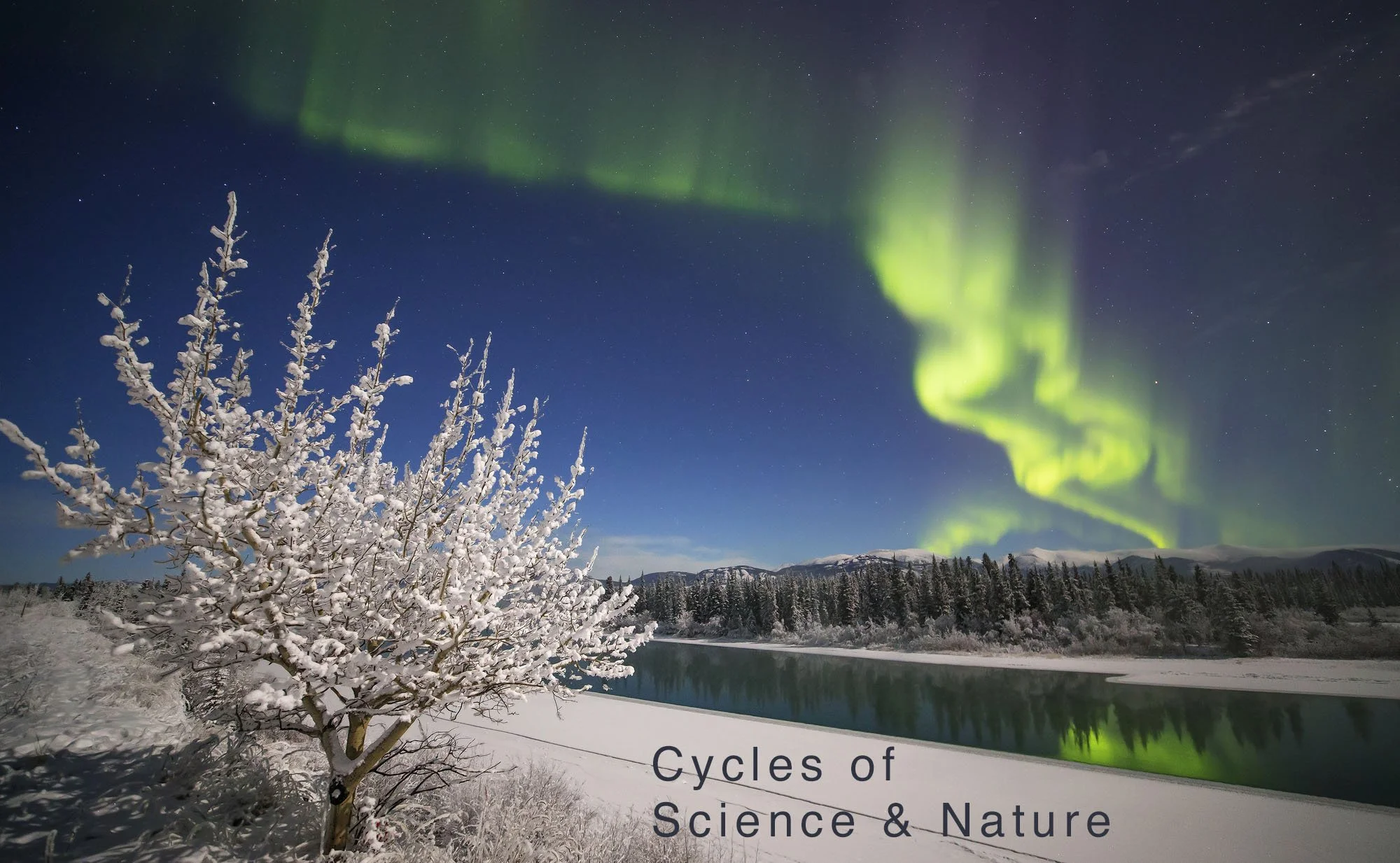
The New Year offers striking examples of natural cycles at work. The aurora borealis, for example, reveals the interaction between solar activity and Earth’s magnetic field. It is a measurable, observable reminder that many scientific phenomena follow rhythmic patterns.
Gallery of the Cycles of Life, Science, and Medicine
These cycles underpin much of the natural world. Animal life cycles progress from birth to maturity and reproduction. At the cellular level, the cell cycle governs growth and repair through mitosis and cytokinesis. On a planetary scale, the seasons shift in response to Earth’s orbit, while ocean tides rise and fall under the gravitational pull of the Moon. Plants follow cycles of germination, growth, and dormancy; ecosystems depend on the carbon and water cycles to regulate life on Earth.
Cyclical processes are fundamental to medicine and biology. Blood circulates through the body, delivering oxygen and nutrients while removing waste. This works in harmony with other essential rhythms, including hormonal release and respiratory cycles, to sustain organs and tissues.
Many diseases that affect humans are, from a biological perspective, part of the intricate life cycles of other organisms. Pathogens and parasites responsible for malaria, West Nile virus, Eastern equine encephalitis, Lyme disease, and alpha-gal syndrome reveal remarkably complex interactions between insects, animals, and humans— demonstrating how deeply interconnected life on Earth truly is.
At Science Source, we specialize in visually documenting these scientific rhythms. Our collection features authentic, expertly curated imagery supported by scientifically and medically accurate metadata — ensuring educators, publishers, pharmaceutical companies, and researchers can trust both the visuals and the information behind them.
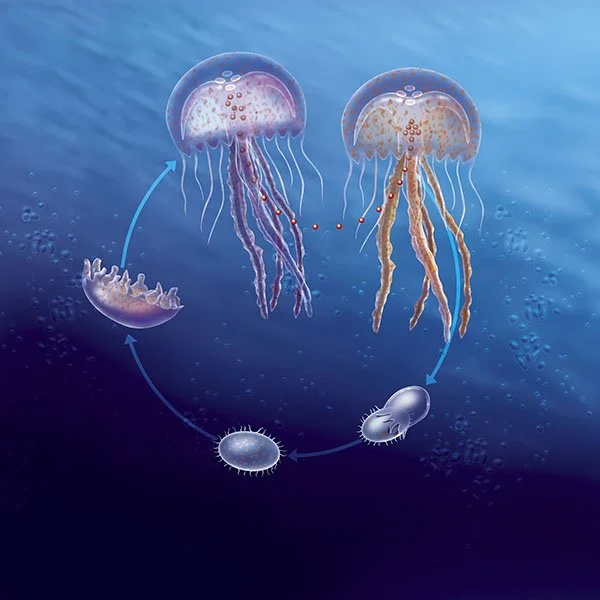
Life Cycle of a Jellyfish
Illustration of the life cycle of a jellyfish (Pelagia noctiluca), from fertilization and egg laying to the animal's development into an adult organism.
© BSIP / Science Source
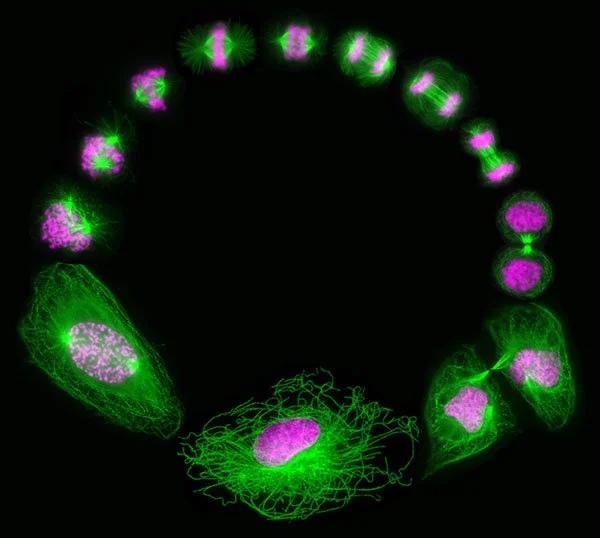
Cell Division Under the Microscope
Fluorescent light micrograph of cells showing the stages of mitosis (nuclear division) and cytokinesis (cell division). Mitosis is the formation of two daughter nuclei from one parent nucleus. The cycle progresses clockwise from the bottom center. © Dr. Juan Gimenez-Abian / Science Source
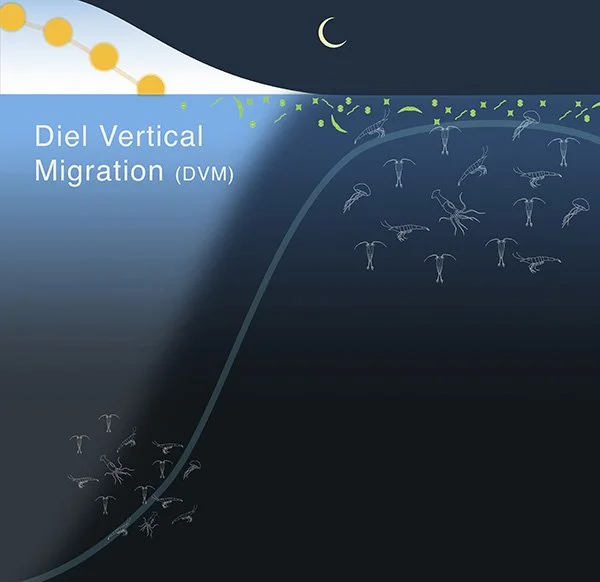
Daily Migration in Oceans, Lakes and All Natural Waters
Diel Vertical Migration (DVM) is the daily movement of marine and freshwater organisms through the water column. It plays a key role in carbon cycling and distribution, influencing ecosystem function and climate processes.
© Monica Schroeder / Science Source
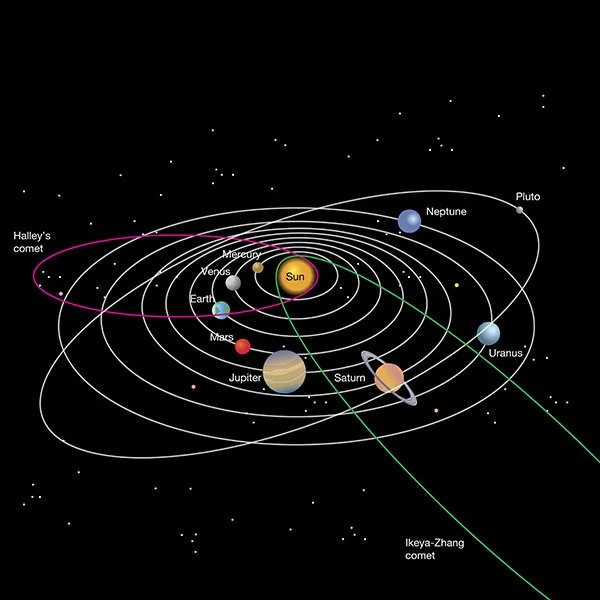
Halley’s Comet, a Short-Term Comet
The Solar System showing the planetary orbits and the paths of Halley's Comet (magenta) and Comet Ikeya-Zhang (green). From the nearest to the Sun outwards, the planets are Mercury, Venus, Earth, Mars, Jupiter, Saturn, Uranus, Neptune and Pluto (a dwarf planet).
© SPL / Science Source