Taking a Closer Look at Microscopy for Medical and Scientific Use
Read any scientific or medical news story and you can see that microscopy has come a long way since your high school biology class microscope.
It isn't just higher magnification, but crisp details, a greater depth of field, viewing internal features, and colorful 3D-like visuals that fascinate us. There have been many advancements to light microscopes and a multitude of new kinds that can see so much more than we could have ever expected.
Let's take a closer look!
Four types of Light micrographs: Bright Field, Dark Field, Polarized, Phase Contrast. © Marek Mis/Science Source
The basic microscope we used as a kid is the standard “light microscope”. Simply put, it uses light and a set of lenses. The addition of filters, specialized mirrors, lasers, specific light spectrums, and other features gives us much more detail.
More advanced devices include Scanning Electron Microscopes (SEM), Transmission Electron Microscopes (TEM), Atomic Force Microscopes (AFM), and Scanning Tunneling Microscopes (STM).
Commonly used techniques when viewing slides on a light microscope are Bright Field, Dark Field, Fluorescence, Differential Interference Contrast (DIC), Phase Contrast, and Confocal microscopy.
Light MIcroscope Bright Field: the light source shines directly from underneath the specimen, creating a light-colored or bright area around it.
Purkinje neurons of the cerebellar cortex stained with four staining methods: hematoxylin eosin (top left), cresyl violet (top right), Cajal's silver nitrate (bottom left) and silver method for Golgi apparatus (bottom right). © Jose Luis Calvo/Science Source
Light Microscope Dark Field: the light source is occulted, so it reaches the specimen at different angles giving us slightly more varied details than if it was lit from directly underneath. The area around the specimen is dark or black.
Fluorescence: This uses light filters and specific wavelengths. Short wavelengths are reflected down to the specimen, which then fluoresces or gives off long wavelengths of light. These are reflected up to a mirror that allows long wavelengths to pass through to the lens.
Phase Contrast: Using a special lens and filters it allows viewing of transparent and colorless specimens. It looks similar to DIC micrography but lacks shadows, making it a bit more two dimensional.
Different illumination techniques of a light microscope: dark field, fluorescence, bright field, phase contrast, DIC (differential interference contrast). Child’s hair strand © Ted Kinsman/Science Source
Differential Interference Contrast Microscopy (DIC): Using a polarizer, beam splitter, condenser, and filters it allows viewing of transparent and colorless specimens. It has a more three-dimensional appearance than phase-contrast microscopy.
Confocal Microscopy: Also called Confocal Laser Scanning Microscopy (CLSM), it uses a laser and a spatial pinhole to create a sharper image.
Let's look at the more advanced types of microscopes:
Scanning Electron Microscope SEM: Uses a particle beam of electrons. It detects reflected electrons off the surface of a specimen, which is placed in a vacuum. creating sharp images. Magnification ranges from 20x to 30,000x, spatial resolution of 50 - 100nm.
Bone marrow cell. This micrograph shows this cell with light (inset) and electron microscope. © Jose Luis Calvo/Science Source
Transmission Electron Microscope TEM: Uses a particle beam of electrons that pass through a thinly sliced specimen. It can show the internal structures of cells with a magnification up to 2,000,000x.
Atomic Force Microscope AFM: AFM uses a laser that bounces off of a stylus on a cantilever lever. This action traces the specimen. Any deviation triggers the sensors creating a raster image. One benefit of this is that it also records the Z-Plane. Another advantage of AFM over electron microscopy is that the specimen need not be in a vacuum.
Scanning Tunneling Microscope STM: Scanning Tunneling Microscope STM: An STM also uses electrons, based on quantum tunneling. The benefits are that it can be used in a vacuum, air, water, or ambient gas environment. It captures surfaces on the atomic level.
What can we look at with all of these scopes?
Scoop up pond water or ocean water to be astonished by the plethora of living zooplankton and phytoplankton visible within a single drop using a simple light microscope.
It opens you to the wonder of cyanobacteria, blue-green algae, ciliates like paramecium, daphnia, amoebas, and euglena. If you were lucky, you might have witnessed them conjugate and divide!
Additionally, the ocean water drop allows a peek at copepods, immature mollusks, krill, algae, crustaceans, fish in their zooplankton stage; and you may behold the breathtaking beauty of diatoms, the most common type of phytoplankton in our oceans.
Switch to a higher powered Scanning Electron Microscope (SEM) to view Water Bears, pollen, blood cells, and insects. An SEM uses a particle beam of electrons to photograph the surface of a vacuum-sealed specimen.
Transmission Electron Microscopes(TEM) allow us to see cross-sections of a specimen like the beautiful interior of the human body, marine life, and animal and plant cells. The TEM's particle beam passes through its vacuum sealed specimen.
Custom homedecor, phone cases, shirts and more.
Of course, there are critical medical applications.
We can view the cells of the human body with many different microscopes. The light mic, SEM, and TEM show scientists and medical researchers different angles and aspects of the cell and its fine structures and organelles.
Microscopes help scientists study cancer - breast, ovarian, prostate, liver, and skin cancer. We can develop an improved understanding of skin conditions such as psoriasis and eczema. They assist in the fight against nervous, respiratory, and circulatory system diseases. And a cure for muscular conditions such as fibromyalgia and multiple sclerosis (MS) and autoimmune conditions.
Infectious agents such as bacteria, viruses, fungi, prions, and parasites can be examined. It allows us to better understand, diagnose, and work towards cures, vaccines, or prevention.
And without the microscope, how could we progress in the fight against the seasonal flu, measles, polio, malaria, and HIV/AIDS.
If light, lasers, electrons, and quantum physics are not enough, there is even a microscopy method, similar to SONAR, that uses sound waves; Acoustic Microscopy.
Lastly, without these microscopes, we would not be able to continue our current fight against the Coronavirus, COVID-19.
The Industrial Revolution: Then and Now
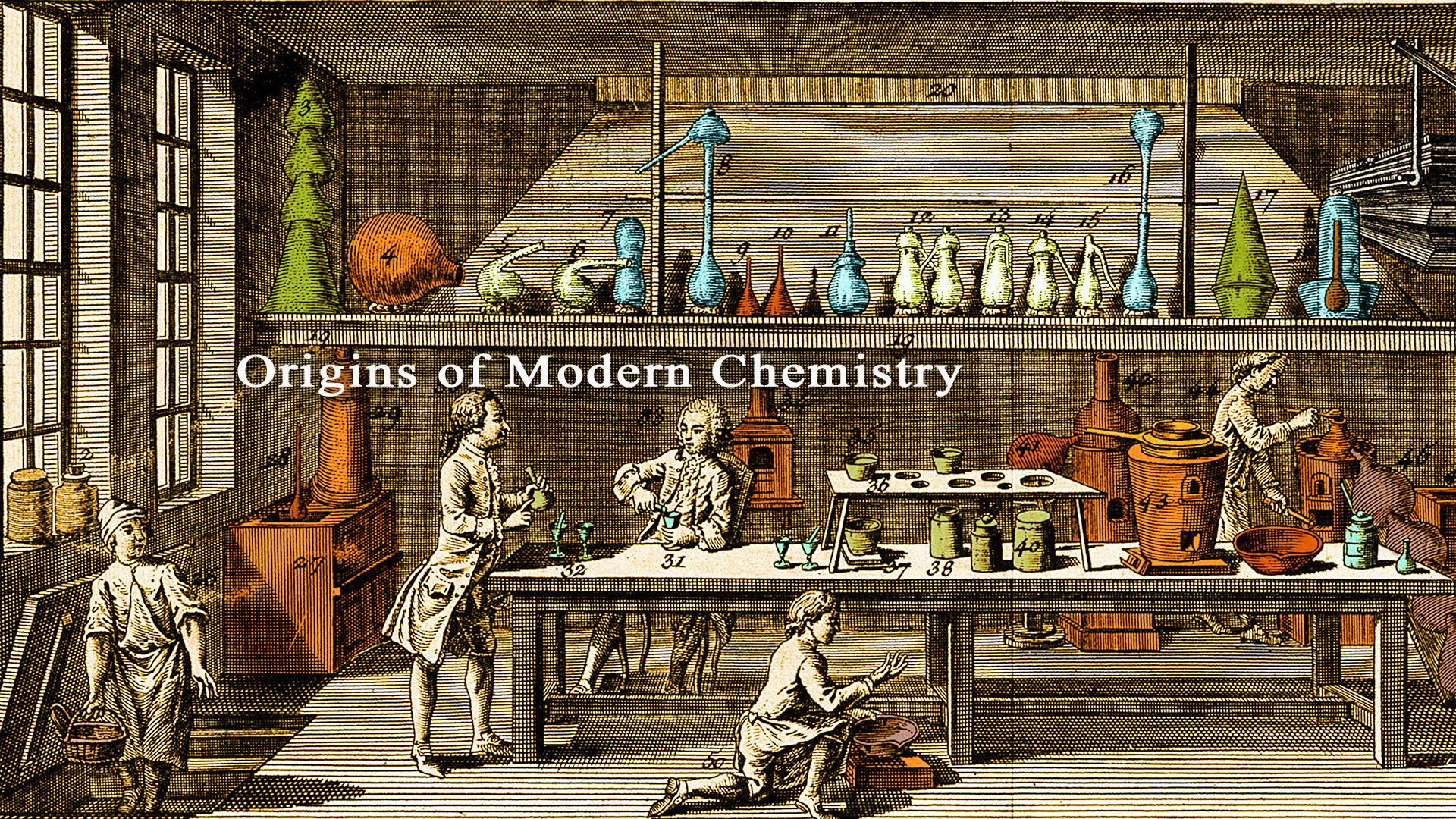
The Industrial Revolution was a time of rapid technological development and social and political change. Starting in 1740 and ending in 1840, the Industrial Revolution saw to the development of mass industry and the beginning of the modern era.
Perhaps the most iconic symbol of the revolution is the locomotive, built in the United Kingdom in 1804 by Richard Trevithick. The locomotive revolutionized transportation, allowing factories to quickly access and transfer resources. It also made long distance travel possible for everyday people, allowing some of them to see their countries for the first time. This helped start the Environmental movement and the Romantic movement.
While the primary effects of the Industrial Revolution were economic, there were cultural and political changes as well. Eli Whitney’s cotton gin provided the first alternative to slave labor in the deep American South, paving the way for the Civil War and emancipation. Textile factories with the newly invented power loom changed the lives of women, who traditionally worked in sewing and could now get factory jobs.
Stock Image Gallery of the Industrial Revolution
The revolution also had negative effects. As industry increased, many factory owners abused vulnerable work forces, including children. In England and Scotland in 1788, two-thirds of the workers in water-powered cotton were children. Human inventions began to have a much greater impact on the environment as well. For the first time, the London sky turned consistently black with a mixture of fog and smoke called smog.
It is worth considering how our own technological advancements have had both positive and negative impacts on society. For one, the internet and computers have made us more productive and interconnected but on the other they have made us more distant, limiting person to person interactions and inundating us with digital forms of entertainment. They have also had political effects. The Egyptian Revolution of 2011 was started largely on social media and the current political divide in the U.S is driven largely by mass access to platforms like Twitter and Facebook.
History shows that people eventually adjust to technological changes, preserving their benefits while diminishing their shortfalls. With determination a better future is possible. So, reflecting earnestly on our times, let the revolution go on!
Great Inventors on prints, phone cases, masks, tote bags and more
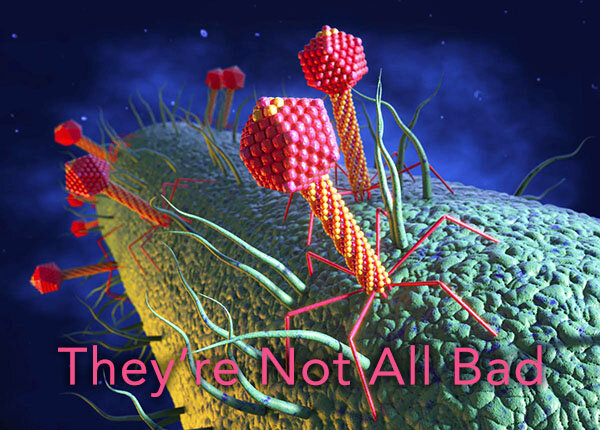
They're Not All Bad: Good Viruses and Bad Bacteria
These days viruses have gotten a bad rap, and understandably so. Meanwhile, bacteria gets a lot of accolades. There are countless news stories about good bacteria in your gut and yogurt.
But, you might be surprised to learn that certain viruses can be used to cure people, And not in the form of a vaccine.
First, what are some differences between viruses and bacteria?
Bacteria are considered living organisms. Viruses are not.
Viruses can range from 10 - 100 times smaller than bacteria. Thus, viruses could pass through water filters that would stop bacteria.
Gallery of Stock Photos & Illustration of Viruses and Bacteria
Bacteria produce independently, while viruses need a host. Viruses hijack a host's cells by injecting their RNA into their cells. The infected cells become virus factories. Eventually, an overwhelming number of virions are replicated, bursting through the cells' walls and spreading throughout the host’s body.
Unchecked, a virus can disrupt a host for the rest of its' life or even kill it.
Sounds grim until you know about bacteriophage viruses that can kill life-threatening antibiotic-resistant bacteria and other bacterial infections. This treatment is called phage therapy. It's been around for over a hundred years.
The first recorded use was in 1921 by Felix d'Herelle, a microbiologist at the Institut Pasteur in Paris. He administered a single dose of phage therapy to a 12-year-old boy with severe dysentery. In a few days, it had completely cured.
With the invention of antibiotics, phage therapy fell out of use. But, in the 1980s there were a growing number of antibiotic-resistant bacterial strains causing life-threatening infections. Doctors looked to the past for help.
Successful studies have been done on chronic leg ulcers, ear infections, e. coli, and more.
And bacteriophages are readily available in nature. In 2016, at Yale University, an 80-year-old man with a life-threatening bacteria chest infection was helped with bacteriophages from a local pond.
With further research and development, phage therapy might someday be used in place of the side effects of heavy antibiotics.
So the next time you think all viruses are bad, think again!
Watch Science Come Alive Through Chemistry!
Whether you are homeschooling kids for quarantine or not, watching chemistry experiments pop, fizz, and explode is a fun and fascinating distraction. You may also learn something along the way.
Some of these experiments can be tried at home, and others are best viewed from the safety of your computer.
Video & Photo Gallery of Science Experiments
Chemistry experiments to try at home:
Frying an egg to see the process of denaturation of protein,
Mixing an acid such as vinegar with baking soda to watch it fizz,
Rubbing a balloon on wool to create static electricity,
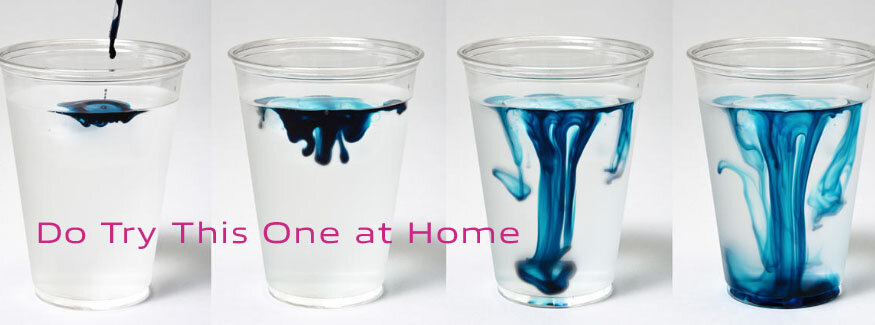
Dropping food coloring into a cup to learn about convection currents
Floating a paperclip on water to see surface tension
Iron filings showing the patterns created by a magnet.
Others that are best watched from your computer:
Aluminum and iodine catching fire
Potassium smoking when dropped in water
A nitrogen Triiodide Explosion
"Barking Dog" gas explosions
Combustion of iron wool
Vacuum decompression of marshmallows
Burning Boric Acid
This gallery is a small sample of the many chemical and physics experiments you'll find in our collection. Plus, all our stock science images have detailed and accurate caption information.
Feel free to search our vast and informative library. Let us help you teach your kids while homeschooling or help independent research with the perfect stock royalty free or rights managed video or photo for your next digital or print project.
Also, contact us for details about our new subscription pricing plan.
And of course, enjoy Science Comes Alive!
A Vaccine Rumor... That Was True
In the age of COVID-19 or the coronavirus, there are many false rumors and conspiracy theories, relating to potential vaccinations. But the history of vaccines started with a rumor that turned out to be true.
In 1796 a medical rumor was flying around that if you were a milkmaid, you wouldn't catch the dreaded and deadly smallpox disease. (Smallpox had a 20% mortality rate). Oddly enough, this rumor turned out to be true and led the medical world to develop life-saving vaccines.
Gallery of Vaccine Stock Images
Cowpox is a disease similar to smallpox, and it transfers from cows to humans. But, in humans, it develops into a similar yet milder illness than smallpox. After suffering from cowpox, people develop antibodies that give them immunity to smallpox.
Based on this theory, Edward Jenner, an English physician, did the first human vaccine test, albeit, without all the modern safety protocols.
He found a milkmaid suffering from cowpox and took a bit of pus from one of her sores. Jenner found a test patient in his gardener's healthy eight-year-old son, James Phipps. Jenner scraped a bit of the pus into the boy's arm. A small blister appeared briefly; otherwise, the boy remained healthy.
Six weeks later, Jenner administered pus from a smallpox victim's sore into the child. The young boy didn't contract smallpox. His body had developed an immunity. Jenner went on to test and report on 23 additional subjects.
What is a vaccine? It is a preparation using a similar, weakened, or dead version of a pathogen to encourage the body to develop antibodies. These antibodies transfer immunity. Currently, vaccines may also use the genetic code or proteins in their formula.
Another noteworthy milestone in the history of vaccines was the Polio Vaccine. First, one by Jonas Salk in 1952. And later, in 1961, another polio vaccine by Albert Sabin came into commercial use.
Other notable vaccines include: Cholera by Jaune Ferran; Typhoid fever by Almroth Edward Wright, Richard Pfeiffer, and Wilhelm Kolle; tuberculosis by Stamen Grigoric, scarlet fever by George F. Dick and Gladys Dick and for influenza (or the flu), Anatol Smorodintsev.
Among the growing list of diseases that can be prevented by vaccination are measles, mumps, rubella, and chickenpox.
It is heartening to know that there have been so many successful vaccines in the past. We now wait as the world rapidly works towards another breakthrough: a Coronavirus vaccine.
Medical Micrographs: a View into the Human Body
Medical science has advanced exponentially in the last century. Even just the way the human body and pathology is viewed. We’ve gone from the basic x-ray to be able to see a single cell in the human body. Or even smaller.
One of the most fascinating innovations has been the Scanning Electron Micrograph, often referred to simply as an SEM for short. It has revealed hidden worlds of the human body, medical, and of course the natural world as well.
Gallery of Medical and Anatomical SEMs (micrographs) Stock Photography
The scanning electron microscope was invented in 1937 by Manfred von Ardenne the SEM machine uses electrons to record the surface topography of objects.
Browse SEM tote bags, masks, phone cases and more!
SEMs (scanning electron micrographs) as a rule are produced in black and white. But photographers often colorize them by hand using a technology called cathodoluminescence, which analyzes the light spectrum emitted by images and creates a semi-accurate color representation.
SEMs provide unprecedented insight into the human body and are a vital source of images to the scientific community. To see more SEMs visit our Fine Art America gallery.
Earth Day and Nature Conservation
Earth Day, April 22, is an annual celebration devoted to environmental protection. First organized in 1970 by American activist Denis Hayes, the day began on college campuses and secondary schools and eventually spread globally to more than 190 countries.
The most recent accomplishment of Earth Day activists was in 2016 when world leaders signed the pivotal Paris Agreement. The co-signers were the United States, China, and 120 other nations. Their signatures rolled into action new initiatives to reduce environmental destruction and limit carbon emissions to stall the effects of climate change. The treaty was adopted by 195 counties and was presented at the United Nations Climate Change Conference in Paris on Earth Day.
Earth Day & Conservation Photos
The first Earth Day celebrations took place in two thousand colleges and universities, roughly ten thousand primary and secondary schools, and hundreds of communities across the United States in response to the Santa Barbara oil spill of 1969. The day’s purpose was to expose millions of Americans to the sunshine of Spring while involving them in peaceful demonstrations for environmental reform.
Since then, Earth Day activists have been instrumental in numerous environmental initiatives, including education programs, regulating pollutants, and advancing green energy.
According to Denis Hayes, Earth Day is now "the largest secular holiday in the world, celebrated by more than a billion people every year."
From everyone at Science Source, we would like to wish you a Happy Earth Day. Please do your part by supporting environmental efforts in the link below and check out our storefront for great Earth Day products!
Bringing to Light, Creatures of Darkness: Cave and Deep Sea Photography of Dante Fenolio
Danté Fenolio, Ph.D., has devoted his life to bringing rarely seen creatures to light through his beautiful and eerie photography.
He's brought us images from habitats without light: caves, the bottom of the ocean, and the canopies of the rainforest. Not interested in the typical, he seeks out underappreciated and rarely seen creatures to highlight the need for conservation of the world's biodiversity.
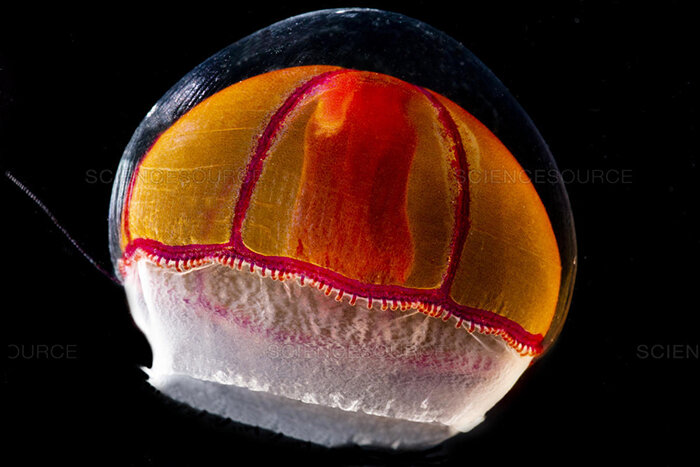
Science Source Images is proud to represent exclusive photographs from his collection. Discover a Fangtooth from the Gulf of Mexico, a colony of Siphonophore, orange and red-colored Jellies, transparent Batfish, and blind albino Salamanders. His creatures are so unusual they may not seem real, but they are all part of the wonder of our planet.
Fenolio is not only a successful author and adventure photographer, he is also a conservator and research developer at the San Antonio Zoo. His many projects to save animals and their habitats span the globe. Along with China, Peru, Japan, and Chile, he works in the United States. His efforts range from the Ozarks to Oklahoma to Georgia.
Coronavirus, the Flu and Pandemics
The world waits to see if the new Coronavirus will become a full fledged pandemic or be contained as other recent threats have, such as SARS in 2003.
It’s rare for a coronavirus to jump from the animals that commonly carry it, such as camels and bats, to humans. But in December 2019, a strain of coronavirus known as “2019-nCoV” did just that in Wuhan, China. It’s spreading at an ever-accelerating rate. The Chinese Government has shut down all travel in infected cities.
Stock Medical Photos of Patients, Surgical Masks, the Flu and Coronavirus
People entering the United States from China are currently being screened at airports. Only a handful of cases have been found in America. Those patients are in quarantine.
Air travel allows infected people to spread the virus worldwide, causing many to fear a pandemic. Well-known pandemics in history include the Black Death (bubonic plague), smallpox, tuberculosis, Spanish Flu, and more recently, HIV.
People worldwide have taken to wearing surgical or hospital masks to protect themselves from the airborne particles of 2019-nCoV. If not sealed and disinfected daily, the masks can become ineffective.
As with the common flu that kills 50,000 - 80,000 Americans annually, the best protection is to wash your hands often and thoroughly.
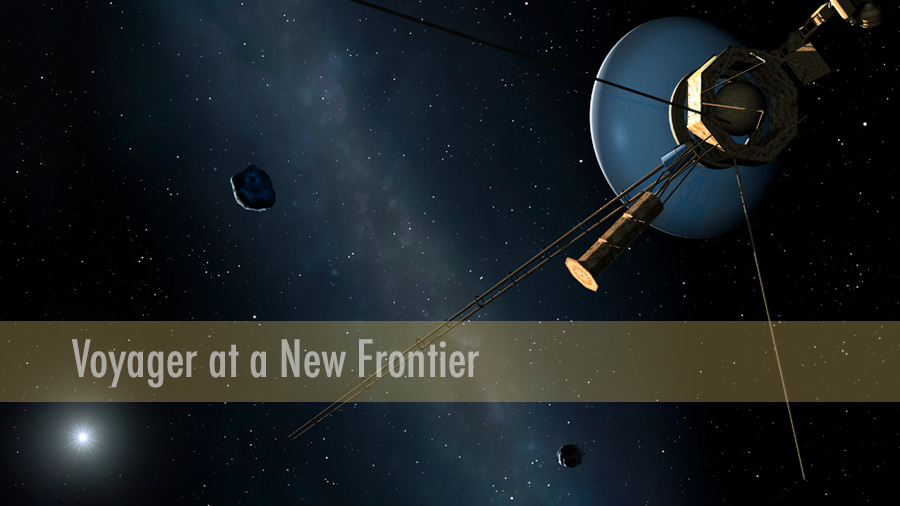
Voyager 1 at a New Frontier
The Voyager 1 and 2 space probes reached a new benchmark in space, as they crossed the boundary of the Heliosphere. For the first time we’re getting footage of a region called the interstellar medium (ISM) or the space between stars.
The Voyager probes began their journey in 1977, making them the longest active space probes in history. Throughout their journey they’ve documented Jupiter, Saturn, and Saturn's largest moon, Titan, studying the weather, magnetic fields, and rings of the planets and providing detailed images of their moons.
Stock Image Gallery of the Voyager Missions
Voyager 1 became the first spacecraft to exit the solar system in 2012. Unfortunately, its plasma instruments went off line in 1980, leaving scientists without a clear picture of the region. Voyager 2 caught up with it, however, providing NASA with its first footage of the interstellar medium (ISM) .
The Voyagers are powered by radioisotope thermoelectric generators which conduct energy from radiation allowing them to transmit data all the way back to the planet earth. The generators are set to lose power by the year 2032, making the voyager mission close to an end.
To find out more about the voyager missions go to the big think. And for greats space prodcuts head to our storefront below.
Space mugs, T-shirts, Prints, Masks, Phone cases and More
Rising Sea Levels
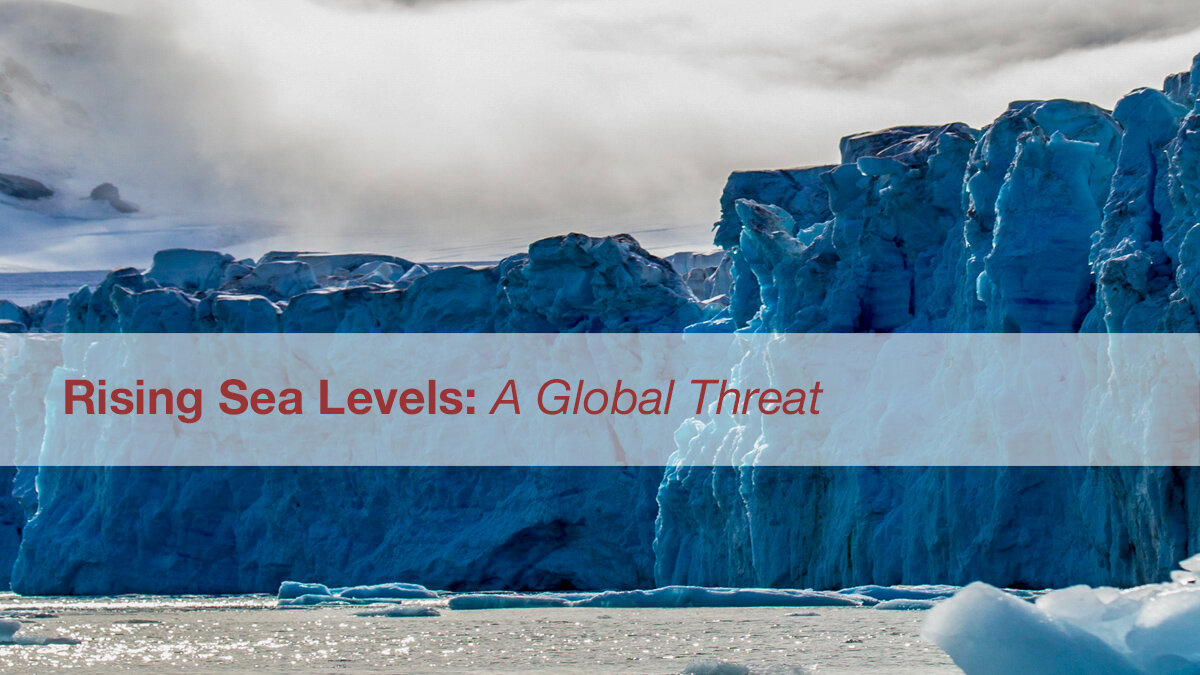
One of the most significant challenges related to global climate change is rising sea levels. Since the beginning of the 20th-century, sea levels have gradually risen by 16 - 21 cm (6.3 - 8.3 in).
The rise in sea levels has also accelerated over time due to thermal expansion (the change in the volume and area of matter due to increased temperatures) and the melting of ice sheets and arctic glaciers.
Stock Image Gallery of Rising Sea Levels
Researchers have calculated that arctic sea ice has declined by 10% in the last 10 years. In addition to rising sea levels, this has altered the circulation of the Atlantic Ocean, destroying fisheries in northern countries and creating massive storms and hurricanes.
Coastlines around the world remain susceptible to flooding. Some at-risk coasts include the Miami shore, Rio de Janeiro, Osaka and Shanghai. The Egyptian city, Alexandria, faces a particular threat as much of its population exists in low lying coastal areas, which will likely be inundated within the next decade.
Our best hope for limiting the increase in sea levels is to reduce our carbon footprint. Initiatives in renewable energy and efficient power are critical components in reaching our emission goals.
For images of climate science and rising sea levels, click the links above. For information on how you can help deduce our carbon emissions head to the Environmental Defense Fund. (www.edf.org)
Plastic is Deadly
While plastic items in our daily lives are designed for one-time use, they have a long life span, usually up to 1,000 years.
Plastic is also deadly. People consume thousands of plastic articles each year, which damage our health, especially our immune systems. Plastic particles are even in the air we breathe, floating in the remotest places from fields to mountains.
Stock Image of Plastic Pollution and Wildlife
For many animals plastic is lethal. Sea birds get caught in plastic fishing line and starve to death. Small mammals choke and die in 6-pack plastic rings. Dolphins and whales swallow plastic particles that block up their bodily systems. Sea turtles suffocate in plastic bags and floating debris prevents them from surfacing for air.
Luckily, as awareness grows, people are working to clean up plastic in the environment. New types of safe, biodegradable plastic are also coming on the market. We have a very long road ahead, but with more awareness and countries working towards a common goal, we have a more hopeful future.
plastic pollution, wildlife, animals, plastic in our lives
Plastic Pollution: Framed Prints, Masks, Tote Bags, Note Books, and More…
Endangered Animals
Species around the world are facing extinction from threats ranging from ivory poaching to global climate change. Organizations such as the World Wildlife Fund have responded to the crisis with far-reaching conservation efforts.
The black rhinoceros has long been a victim of poaching for the international trade in rhino horn. British colonists began hunting rhinos in Africa during the colonial era and poaching has continued to this day. Conservationists work to protect rhino populations by building conservations and training local rangers to fend off poachers, but victories are hard fought. The black rhino’s population has sunk to 2,300 in recent years.
The polar bear has risen to public awareness due to the impact of climate change on the Arctic. Since 1979 the volume of sea ice shrunk by 80%, dramatically reducing the polar bear’s natural habitat. Experts say that the population of polar bears decreased to 20,000 to 25,000 in the last decade, classifying them a ‘vulnerable’ species. Conservationists work with businesses and governments to support green energy initiatives and help mitigate climate change.
Endangered Species Stock Image Gallery
It is worth noting that animals that enter the endangered species list do not always stay there. Famously, the American buffalo was reduced to near extinction following the American expansion into the western frontier but conservation efforts have increased their numbers gradually throughout the 20th century.
Likewise, the giant panda faced extinction a decade ago but has recently made gains due to protected habitats in China. Another encouraging story comes from the Siberian tiger, which was reduced to double digits in the early 1900s but has since increased to about 500.
While species around the world become endangered, conservationists continue to fight for their survival. Find out how you can help by visiting the World Wildlife Fund below. For a full gallery of endangered species follow the link and be sure to check out our storefront for great animal gifts.
The World Wildlife Fund
Endangered Animals: prints, masks, tote bags, and cellphone cases
wwf.org
rhinos.org
telegraph.com
Immunotherapy: Your Immune System is Cancer's Biggest Enemy
There’s no doubt about it - our immune systems are powerful. We’ve all had moments where we don’t pay much attention to our immune systems because of lack of sleep or high stress, and had to endure bouts of sneezing, coughing, or fever in the coming days. Some of us have taken extra steps to make sure our immune systems are as strong as possible, and noticed how invincible it feels to go months without getting sick. Everyday function, brain power, and physical ability depends strongly on our body’s ability to fight off viruses and disease.
The power that our immune system provides in determining our health can even be utilized to fight cancer. Immunotherapy is a method of cancer treatment that helps to strengthen the immune system to be able to fight cancer cells better, as well as direct the immune system towards specific cancer cells.
RF and RM Stock Images and Video of Immunotherapy
A large number of cells in our body aid in the immune system. White blood cells (lymphocytes) recognize foreign bodies such as viruses and fight them with antibodies, which are proteins that are sent out to bind to these foreign bodies. T cells are a specific type of white blood cell that search for, capture and destroy foreign bodies and infected cells.
Immunotherapy works with these cell types to focus in on cancer cells and kill as many as possible. There are many different methods of immunotherapy that enhance the immune system in a variety of ways.
Proteins called monoclonal antibodies (therapeutic antibodies) can be created in a laboratory and used for immunotherapy. These antibodies are introduced into the body to flag cancer cells so the immune system can more easily detect them.
Checkpoint inhibitors can be put into a patient’s bloodstream to disable proteins that stop the immune system from attacking cancer cells. These proteins attach to T cells, and can activate or deactivate the immune system when needed. Because cancer cells can pose as normal cells and pass a T cell checkpoint without any activation of the immune system, checkpoint inhibitors are used to make sure that T cells will be activated to help destroy cancer cells with each encounter.
Adoptive cell transfer is a form of therapy that can also help boost the function of T cells. In this method, T cells are taken from the body, and the cells that are most defensive are grown and multiplied in a lab and put back into the body intravenously.
Prints of Cancer and the Immune System
Through the technology that scientists now have available in labs, immunotherapy provides another option for cancer treatment which can give many patients more hope. Although this type of therapy has its own side effects, and sometimes has the potential to damage the body, it has been known to successfully treat some cancers when radiation or chemotherapy failed, and can also enhance the effectiveness of other methods of treatment when used in combination.
Overall, it has the potential to provide hope to many of millions of people around the world affected by cancer.
livescience.com
cancer.gov
immunology.org
pacificimmunology.com
tcells.org