


Color enhanced scanning electron micrograph (SEM) of follicle or eyelash mites (Demodex folliculorum) protruding from a dissected human hair follicle. and the closeup of an eye.
You Are Never Alone When Follicle and Eyelash Mites Live on Your Face
You may not be aware that you have living creatures with you all the time. They’re called tiny mites and they live inside or near the hair follicles of your face.
Most of the mites are Demodex folliculorum and Demodex Brevis and are from the animal group Arachnida, which includes ticks, spiders, scorpions, and harvestmen. Their more familiar names though include eyelash mites, follicle mites, face mites, and skin mites.
Although found all over the human body, they exist mainly on the face. D. brevis live in sebaceous glands of the hair follicles and D. folliculorum is found in the follicles themselves.
The mite have pin-shaped mouthparts for eating skin cells and skin oils. Since they avoid light, they usually crawl to a new location at night. They can be transferred from one person to another through contact with someone's hair, eyebrows, or sebaceous glands.
The eggs they lay inside your hair follicles or sebaceous glands hatch in a few days and become adults within a week.
It is rare for anyone to have an allergic reaction to them or even notice them at all. Scientists are not sure what purpose they serve on our skin, but they know that the older you are, the more mites you will have.
Researchers continue to investigate these tiny animals.

Space Travel: Then and Now
Entrepreneur, billionaire, Richard Branson reached sub-orbit last week in his new SpaceShipTwo. The trip marks his company, Virgin Galactic’s first entry into sub-orbit and showcases a remarkable new engineering feat, using a twin-fuselage booster plane at take off.
The company sees this as a landmark achievement in space travel with the potential of opening the world to space tourism.
Although Branson’s flight is impressive, it’s not the first time we’ve made it into orbit or sub-orbit. The famous space race started between the USA and the Soviet Union in the 1950’s. In 1961 The Soviet Union sent Yuri Gagarin into orbit and in the same year the US achieved this with Alan Shepard. John Glenn followed soon after, orbiting the Earth three times in 1962.
Space Travel Stock Images and Videos

Nebula tote back, phone cases, prints and more!
The space race came to a definitive conclusion in 1969, when US astronauts Buzz Aldrin and Neil Armstrong of Apollo 11 successfully landed on the moon.
Since then, NASA has continued exploring space, sending probes to every planet in our solar system, including the dwarf planet, Pluto. It has landed four rovers on Mars, the last of which, Curiosity, is still collecting data from craters today.
Currently, space tourism is prohibitively expensive but as more companies enter the market the price will likely decrease. Amazon’s Jeff Bezos is planning a trip in the near future and many others are likely to follow.
One day we might all see space as Gagarin and Shepard did but for now it’s just the dream of billionaires.
Browse space prints, phone. cases, mugs and more

A new strategy of using bacteria infected mosquito eggs show great promise.
Mosquitos and Dengue Fever
Each year about 390 million people are infected by Dengue Fever. Typical symptoms that arrive 3 - 14 days after being bitten by an infected mosquito include fever, headache, muscle & joint pain, and rashes. Severe cases may cause internal bleeding and dangerously low blood pressure.
There is a new means to prevent Dengue, along with a host of other maladies such as Zika, using bacteria.
STOCK IMAGES & VIDEO OF DENGUE FEVER AND MOSQUITOES
Although a vaccine is available, one needs to have been infected with Dengue at least once before it can be administered.
The spread of the disease through the mosquito vector has altered the way it’s researched. Up until recently, there are have been minimal or temporary means to control it. Effective insecticides for it can damage wildlife, add toxins to the soils & water, and become ineffective when mosquitos develop immunity.
Several years ago scientists began testing a new strategy of infecting the mosquitoes themselves with a bacteria, Wolbachia, that prevents mosquitos from contracting Dengue and other viruses.
The bacteria is injected into mosquito eggs which mature and are released into the wild. When these mosquitos mate their offspring carry the bacteria and gain a resistance to the disease.
Initial results have shown great promise. A newer study conducted by the nonprofit World Mosquito Program (WMP) shows great promise in reducing Dengue infections. In 2020, there was a 86% drop in hospitalizations for Dengue Fever in areas that Wolbachia infected mosquitoes had been released.

WHO, the World Health Organization, is currently reviewing these results and will be developing a full report soon.
Mosquito related diseases have shaped the building of the Panama Canal, the colonization of the New World, life in China, Africa, and through most of the tropical and temperate regions of Earth. Today there is at least some optimism that one day we will defeat the worst mosquito-borne disease.

Rotifers (Philodina sp.), Light Micrograph
How to Live Forever: Rotifers, Nematodes and Tardigrades
The bdelloid rotifer, found in freshwater habitats all over the world, is able to withstand extreme cold. According to a recent discovery in northeastern Siberia, these multicellular organisms can be frozen for up to 24,000 years and live to tell the tale!
The average life span of us humans, 78 years, is not much compared to other creatures. Some birds live up to 100 years, eels have been recorded at 106, tortoises 150, and Koi fish over 200. The slow moving Greenland shark has been recorded at 512 years.
Still these are just flashes in the pan compared to rotifers. Scientists recently restored rotifers that had been frozen in the Siberian permafrost for over 24,000 years, meaning these creatures were alive during the Late Pleistocene Era - when Wooly Mammoths roamed the earth.
Stock Images and Video of Rotifers and Other Long-lived Animals
A rotifer is part of a group of seemingly invincible creatures, such as nematodes and tardigrades. Tardigrades have even been sent to outer space and survived.
Rotifers are a type of microscopic animal that is often found in zooplankton in either freshwater or saltwater. Rev. John Harris, in 1696, was the first to mention these creatures. They are commonly referred to as wheel animals due to the motion of the cilia surrounding their mouths, which looks like a spinning wheel.
Rotifers are filter feeders that eat dead bacteria and other decaying organic matter. When they move around, they compress their bodies into round shapes and extend out into a long thin shape. In terms of size they can range from 50 micrometers to over 2 millimeters.
Discover more about rotifers in the gallery above and check out one in action below!

Visit our Red Bubble Shop or check our our many other historical gift ideas
Gifts for Lovers of Classical Music
Classical music continues to inspire and delight listeners today and for good reason! Many people believe western music reached its height then and the roots of modern jazz and rock and roll can all be traced back to it.
When Jazz pianist, Bill Evan played on Miles Davis’s Kind of Blues his main influence was the classical composer Maurice Ravel.
Schubert was the first to write a series of short three-minute songs – a structure that continues today in popular rock music.
Whether you’re already a fan or new to the genre, it’s always fun to get gifts related to your interests. We’ve taken a small selection of our classical music images and made them available to you at our Red Bubble storefront.
Red Bubble Composers Gallery
You’ll find something for everyone. Stickers, t-shorts, framed print, mugs, computer cases, aprons and of course our popular “Bach Socks”!
If you’re interested in licensing stock images of classical composers, take a look at our curated collection below, which is a small part of our ever growing history collection!
Link to Stock Picture Gallery of Classical Music Composers

The Real Pocahontas
Pocahontas has been a legend of American folk culture for hundreds of years – the subject of romantic novels, documentaries and even Disney films. As with many legends as time goes on the myth tends to eclipse the reality. Today we’ll try to unearth the real Pocahontas.
First of all, her name was not Pocahontas. Born in 1596, her real name was Amonute and sometimes Matoaka. Pocahontas was a nickname, which in Algonquin means “playful one” or “misbehaving child.”
Legend claims Pocahontas fell in love with John Smith, an English settler at Jonestown who was captured by chief Powhatan her father. The two shared a secret love affair that they had to keep hidden from the Algonquins. In actuality, there was probably little romance between the two. Pocahontas was twelve when she met John Smith and their only recorded interaction was a time when she helped Smith learn portions of the Algonquin language during his captivity.
Stock Photo Gallery of Native Americans
After his imprisonment, John Smith was sentenced to death. As the tribesmen placed his head on a stone for execution, Pocahontas intervened, pleading with her father to let her lover go. In all likelihood, John Smith did not face execution that day. Algonquins often placed people’s heads on stones for religious rituals. It is not unlikely that John Smith was being anointed before his planned release later that day..

Native American mug and more!
Powhatan dispatched of John Smith and Pocahontas saw mournfully to her lovers’ departure – a bitter sweet romance that gave her a new appreciation of how two peoples can live in harmony.
Records show that Pocahontas’ true love was actually John Rolfe, a man she married in 1614 after her own captivity among European colonists following the First Anglo-Powhatan War. Pocahontas converted to Christianity and was baptized with the name “Rebecca.” She lived among Europeans until her death on a ship bound for Virginia in 1617.
Science Source is a great source of Historic images that illuminate both the facts and legends of the past. Explore more of our images in the links above and for great history prints, mugs, and t-shirts check out our storefront below.
Native American prints and decor

American Pirate Charles Gibbs Leads Mutiny, 1830
Blackbeard and Other Swashbuckling Pirates
Piracy is criminal activity, such as robbery, violence, or kidnapping, on the high seas. Yet, we love pirates.
We dress-up like them, make kid's movies about them, and enjoy cartoons about them.
The history of piracy goes back to 1500 BC from the Phoenicians to the present time.
Early Pirates also include the Vikings who raided many coastal towns and cities.
When most people are talking about pirates, they refer to the golden age of swashbuckling pirates.
In the Caribbean, in the early 17th century, the English took over Tortuga. They invited pirates to attack their enemies, and they did.
Stock Pictures of Pirates
Well known pirates, also known as privateers, include Edward Teach aka Blackbeard, Barth Roberts, Captain Kidd, Calico Jack Rackham, Captain Samuel Bellamy, Hanry Morgan, and Anne Bonnie.

VISIT OUR FINE ART AMERICA GIFT SHOP
Many people are not aware that the U.S. Constitution has a provision for the United States to hire privateers.
Vikings raided cities all along the coastlines for hundreds of years but the most popular and well-known pirates are from about 300 years ago. Think Pirates of the Caribbean.
The Spanish encouraged pirates to attack their enemies. These buccaneers grew so rich they took over the island of Tortuga.
This is the time and place that is heralded in motion pictures and children's books. There was a camaraderie or brotherhood amongst pirates.
By the mid 18th century, this had changed, and many pirate ships ran by enslaving their crews.
To this day, pirates ply the ocean around the world. The romance is gone, though. High powered assault rifles have replaced swords. But, the hunt for treasure and kidnapping remains.

Super Earths and Exoplanets
As we explore further afield from our home planet, we learn there are not only other systems, but many other planets in these systems. There are people who look to these for another earth and for alien life.
Planets outside of our solar system are called exoplanets.
Gallery of Stock Pictures of Super-Earths and Exoplanets
Just as our solar system has planets of different sizes and types, planets in other systems are varied in size and composition.
To date, we have found 3,242 systems with planets, many with multiple planets, bringing the number of exoplanets we know of to 4,395.

Planets are categorized by their mass. Any planet with a mass larger than earth without being 14 times higher in mass is considered a super-earth.
The designation doesn't speak to its composition or whether it would be a friendly place for us humans to live. It only tells us the comparative mass of an exoplanet.
Recently, NASA discovered a new super-planet naming it TOI-561b.
TOI-561b travels around its sun twice as fast as we travel around ours. So it experiences two days in the time we experience one.
Life is unlikely to exist there as the temperature on it is 3,140 degrees Fahrenheit.
Yet, it is exciting to keep discovering more and more systems and planets. Perhaps, one day, we'll find one more compatible with life on our earth,

The History of Christmas
As people put up Christmas trees and decorate their homes, it’s easy to believe these traditions have been around since year one, but Christmas and the holidays surrounding December 25th have taken many forms.
The origin of Christmas comes from three sources: it is the date of the winter solstice on the Roman calendar, it is about nine months from the vernal equinox (March 25th) and it is the date set for the birth of Christ.
Before Christendom the Roman Empire celebrated Saturnalia, a holiday honoring the Roman god, Saturn, the farther of Jupiter. During Saturnalia social customs were flipped upside down. Slaves ate at their master’s tables, women flirted with men and gambling became legal. Saturnalia also involved public banquets and gift giving, which may have influenced later Christian traditions. There were even reports of naked caroling!
Origins of Christmas stock Image Gallery

Cards, prints, masks, tote-bags and more
The Christmas tree has its origins in 16th century Germany. While writing a sermon at night in a starry evergreen forest, the Protestant Christian reformer, Martin Luther, is said to have added lighted candles to a tree and put it into his house. Other Protestant Germans followed suit and the tradition spread. By the second half of the 19th century, the tradition had moved beyond Germany, first among the upper classes and eventually into lower areas of society.
While you are making your shopping rounds this holiday season, attending religious services or making time to be with family, reflect on the long history behind the season.
Be sure to check out our great holiday gifts below and click the links above to see more historical images of the origins of Christmas. From all of us from Science Source, we’d like to wish you a Merry Christmas and a safe and happy holiday season!
Christmas cards, prints, masks, and other gifts

The Importance of Protein Folding
The human body uses protein in innumerable ways. They are the building blocks of your body, and it's many functions. Your cells are continually manufacturing proteins; while you sleep, walk or even now as you read this blog.
Proteins make up cellular channels, are structural, act as enzymes, and are part of your immune system. These proteins are formed as strings and can be very long. Folding proteins - just as folding laundry - give them organization, condenses their size, but unlike you laundry it also provides function.
Gallery of Human Proteins and Protein Folding

The human body is made up of cells, and inside these cells are millions of tiny machines made up of folded proteins. These are found in every single living thing.
These proteins are folded into a specific shape to allow them to function.
If you unfold one, you'll find a string of amino acids - like beads on a necklace. These long strings of amino acids only function once they have folded into a specific shape. If the shape is slightly off, the protein will not function.
Once scientists understand how proteins fold, they will be able to develop methods to cure and prevent innumerable diseases.

RNA polymerase transcribing DNA
Types of Vaccines: Whole Pathogen, Subunit, and Nucleic Acid (mRNA & DNA)
This past year of the pandemic has brought with it much suffering, but it has also brought an amazing advancement in medical science. It will be the first vaccine that uses a form of nucleic acid, in this case, mRNA (messenger RNA).
Not only will this vaccine bring the world out of the shadow of COVID-19, but it will also open the door to a myriad of other healthcare developments.
Stock Images of mRNA
First, an overview of how vaccines work. Your body is naturally good at defending itself against intruders such as bacterias and viruses. In fact, you are exposed to thousands each day. If any make it through your first line of defense, your immune systme takes action.
A virus is called an antigen. It alerts your immune system to create antibodies, which kill the virus or render it ineffective. Depending on the virus, these antibodies, once triggered, stay effective for months, years, and often a lifetime.
A vaccine works by tricking the body into creating these protective antibodies, without the body needing to get sick.
Traditional or classic vaccines use a method referred to as Whole Pathogen. They use the entire virus, either inactivated (dead) or attenuated (weakened) form.
Another type of vaccine is called Subunit. It uses only part of the virus.
Art Prints and Posters of Microbiology on Fine Art America
The newest form of vaccine, and the type used for COVID-19 is a Nucleic Acid vaccine, which uses either DNA or mRNA (messenger RNA). This genetic material tells the cells to manufacture the virus or a portion of it. The COVID-19 vaccine uses mRNA that creates just the spike protein that is found on the coronavirus. Our immune system will create antibodies that then attack the coronavirus since it is covered in these spike proteins.
It is the first nucleic acid vaccine ever approved and in use. It is certainly laying the groundwork for many other vaccines to help rid humanity of other diseases.
Without this worldwide health crisis bringing focus and a global collaborative effort, it may have taken many years or even decades for Medicine to have advanced to this point.
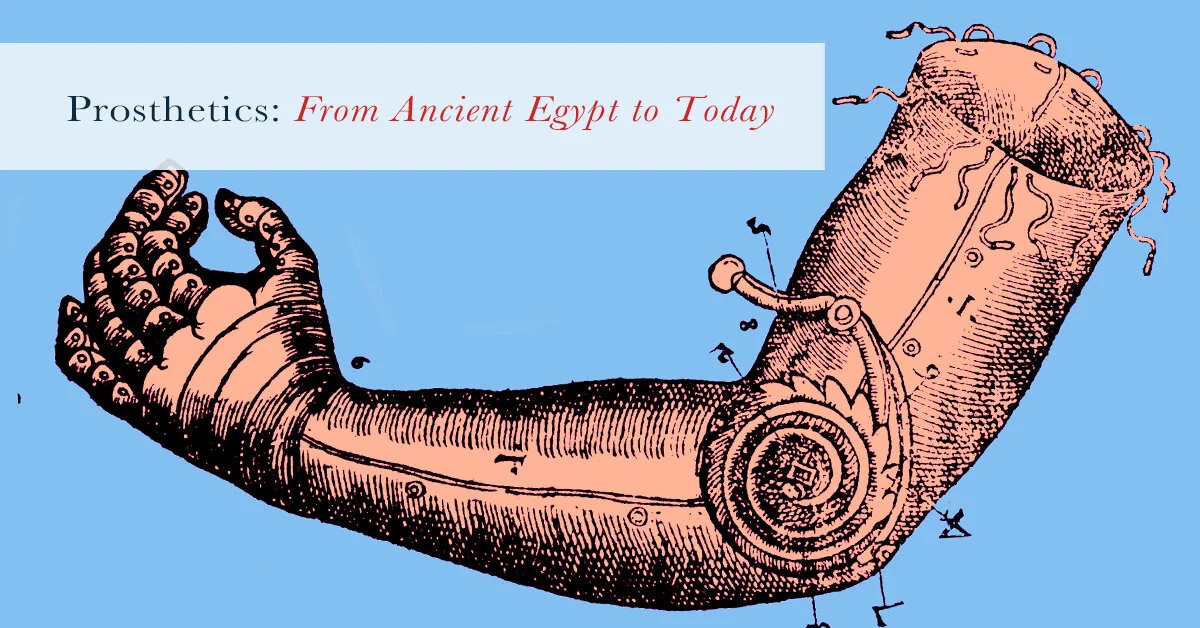
History of Prosthetics: From Ancient Egypt to Today
Prosthetics originated in the Near East around 3000 BC, with the earliest evidence appearing in ancient Egypt and Iran. The first known example was a big toe on the foot of a mummy found in 2000 in the Egyptian necropolis near ancient Thebes.
In the 1st century AD, Pliny the Elder recorded the story of Roman general, Marcus Sergius, who lost his right hand in the Second Punic War and got an iron replacement so he could hold his shield in battle.
Prosthetic Stock Image Gallery
Improvements in amputation surgery and prosthetic design came in France during the 1500’s from Ambroise Paré. Among his inventions was a kneeling peg leg, which had an adjustable harness, a fixed foot position, and a locking function.

Medical mugs, prints, phones cases, t-shirts and more
Through the years Prosthetic devices have been an asset to people in the armed forces. Countless field workers who have lost limbs in battle have had their lives transformed by the benefits of prosthetic technology. The Iraq war led to rapid advancement and development in prosthetic technology and now over 1,000 Iraq war veterans use prosthetic limbs.
Today, prosthetics can be made by hand or with the help of computer programs that create designs and analyze the items using 2-D and 3-D graphics. Advancements in robotics continue to improve prosthetic items and in the future, it is not inconceivable that replacement limbs will be as effective as organic ones.
For stock images of prosthetic technology follow the link above and for science products check out our storefront below.
Medical Microscope - Gift Ideas for the Medical Professional

Two Smiling People with Down Syndrome Stand in an Industrial Kitchen, a Muffin Tin in Front of Them
Down Syndrome Awareness
Last month was Down Syndrome Awareness Month. According to The National Down Syndrome Society, the month is an opportunity to spread awareness about people with Down Syndrome by celebrating their abilities and accomplishments, rather than their disability.
Stock image and video gallery of down syndrome awareness
Over the years, The National Down Syndrome Society has devoted itself to the specific health and education needs of people with Down Syndrome. The NDSS raises money through direct donations and fundraisers such as the Buddywalk each election year. They also advocate for legal protections for people with down syndrome and fight to preserve government assistance programs.
Down Syndrome is one of the most common chromosomal diseases, affecting about 6,000 newborns each year. While there is no cure for Down Syndrome, organizations such as the NDSS continue to provide people with the condition with the help and opportunities they need to live happy and fulfilling lives. As their website mentions, people with Down Syndrome drive cars, go to college, get jobs, date, and get married every day! Find out how you can help them fulfill their dreams by visiting the NDSS website below.
DNA and Genetics Themed Gifts and Home Decor
At Science Source, we proudly celebrate people from different backgrounds and experiences. We are excited to celebrate Down Syndrome Awareness Month by offering a broad and inclusive selection of stock images and videos.
Public Health: Then and Now

James Lind’s discovery of the cause of scurvy was published in an article in 1754. In it, he argued the disease could be mitigated with the introduction of fruit on lengthy voyages at sea. In the following years, efforts were made to propagate health standards in the British navy and among the broader public. Modern public health was born.
While doctors treat people's illnesses, public health workers attempt to prevent illnesses and injuries from ever occurring. A broad-ranging effort, public health involves many different institutions and disciplines, including epidemiology, biostatistics, social sciences, and health service management.
Stock Image Gallery of Public Health
Public health developed rapidly in 19th century when advances in science led to a greater understanding of the cause and spread of diseases. New strategies developed, requiring community-wide participation and interactions between different organizations and agencies
Doctor and public health worker Sara Josephine Baker, M.D. established some of the first public health agencies in the US. Centered in New York City, her nursing homes helped mothers learn to dress, feed, and bathe newborns to prevent diseases. Lillian Wald, another health organizer, founded the Henry Street Settlement house in New York, which brought healthcare services to poor urban people.

Angiogram and other great health products
In 1948, the World Health Organization (WHO) was formed, as an agency of the United Nations responsible for international public health. Its broad mandate is to advocate for universal healthcare, monitor public health risks, coordinate responses to health emergencies, and promote human health and well being.
Today, as we battle the Corona virus, public health workers are on the front lines, delivering the latest news about the virus to help prevent infection. Due to their efforts, the pandemic will hopefully be short lived, returning civilization to normal and saving the lives of millions.
Medical Science prints, phone cases, masks, t-shirts and more

Neurogenetics
Neurogenetics is the study of the nervous system as it pertains to genetics. Using phenotypes, or observable characteristics and traits, neurogenetics attempts to reach conclusions about individuals of one or more species based on hereditary.
Seymour Benzer considered the father of neurogenetics, made his first discovery in the field of neurogenetics when he pinpointed a link between the circadian rhythm and genes. He found that animals go through cycles of sleeping and waking naturally and not by anything learned or developed. This led him to further investigations into the traits and behaviors of individuals as they relate to genetics. Benzer made groundbreaking discoveries in neurodegeneration when he discovered similarities between fruit flies and human genes. This helped him isolate neurological diseases in humans.

Cajal tote bag and other products.
Advances in molecular biology and the species-wide genome project have made it possible to map an individual's entire genome. While this information is key to understanding neurobiology, a comprehensive picture of an individual’s traits and behaviors can only be achieved by taking into account additional factors.
The classic debate of nature vs. nurture clarifies that one’s genes are not the only determinant of a given biological outcome. Science reveals that traits and behaviors are due to a confluence of many genes, as well as regulatory factors like neurotransmitter levels and one’s environmental influences.
New developments in genetic engineering are being used to alter genetic material to potentially negate or suppress the effects of genetically linked diseases. Innovations in technologies, such as CRISPR, allow genetic material to be added, removed, or altered at particular locations in the genome.
It it possible that one day genetic editing could be used to cure neurogenic diseases such as Alzheimer's disease and Parkinson's. Research on this front, however, is still ongoing.