In the age of COVID-19 or the coronavirus, there are many false rumors and conspiracy theories, relating to potential vaccinations. But the history of vaccines started with a rumor that turned out to be true.
Jenner, Cowpox and Small pox


Jenner, Cowpox and Small pox


Bone tissue magnified 2,500 times.
Medical science has advanced exponentially in the last century. Even just the way the human body and pathology is viewed. We’ve gone from the basic x-ray to be able to see a single cell in the human body. Or even smaller.
One of the most fascinating innovations has been the Scanning Electron Micrograph, often referred to simply as an SEM for short. It has revealed hidden worlds of the human body, medical, and of course the natural world as well.
Gallery of Medical and Anatomical SEMs (micrographs) Stock Photography
The scanning electron microscope was invented in 1937 by Manfred von Ardenne the SEM machine uses electrons to record the surface topography of objects.

SEM of Maple Leaf Tote bag

Earth Day, April 22, is an annual celebration devoted to environmental protection. First organized in 1970 by American activist Denis Hayes, the day began on college campuses and secondary schools and eventually spread globally to more than 190 countries.
The most recent accomplishment of Earth Day activists was in 2016 when world leaders signed the pivotal Paris Agreement. The co-signers were the United States, China, and 120 other nations. Their signatures rolled into action new initiatives to reduce environmental destruction and limit carbon emissions to stall the effects of climate change. The treaty was adopted by 195 counties and was presented at the United Nations Climate Change Conference in Paris on Earth Day.
The first Earth Day celebrations took place in two thousand colleges and universities, roughly ten thousand primary and secondary schools, and hundreds of communities across the United States in response to the Santa Barbara oil spill of 1969. The day’s purpose was to expose millions of Americans to the sunshine of Spring while involving them in peaceful demonstrations for environmental reform.
Since then, Earth Day activists have been instrumental in numerous environmental initiatives, including education programs, regulating pollutants, and advancing green energy.

Alexander Von Humboldts was the first environmentalist. Get a tote bag of his work here!
According to Denis Hayes, Earth Day is now "the largest secular holiday in the world, celebrated by more than a billion people every year."
From everyone at Science Source, we would like to wish you a Happy Earth Day. Please do your part by supporting environmental efforts in the link below and check out our storefront for great Earth Day products!
Danté Fenolio, Ph.D., has devoted his life to bringing rarely seen creatures to light through his beautiful and eerie photography.

Danté Fenolio Caving in China
He's brought us images from habitats without light: caves, the bottom of the ocean, and the canopies of the rainforest. Not interested in the typical, he seeks out underappreciated and rarely seen creatures to highlight the need for conservation of the world's biodiversity.
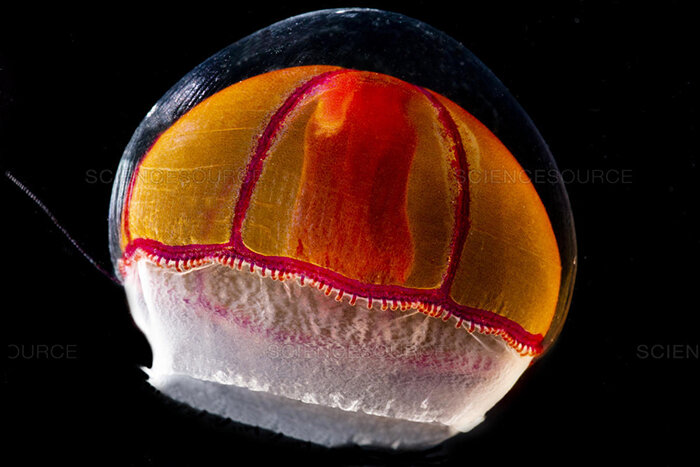
Science Source Images is proud to represent exclusive photographs from his collection. Discover a Fangtooth from the Gulf of Mexico, a colony of Siphonophore, orange and red-colored Jellies, transparent Batfish, and blind albino Salamanders. His creatures are so unusual they may not seem real, but they are all part of the wonder of our planet.
Fenolio is not only a successful author and adventure photographer, he is also a conservator and research developer at the San Antonio Zoo. His many projects to save animals and their habitats span the globe. Along with China, Peru, Japan, and Chile, he works in the United States. His efforts range from the Ozarks to Oklahoma to Georgia.

Asian woman wearing a surgical mask and medical illustration of the life cycle of the coronavirus.
The world waits to see if the new Coronavirus will become a full fledged pandemic or be contained as other recent threats have, such as SARS in 2003.
It’s rare for a coronavirus to jump from the animals that commonly carry it, such as camels and bats, to humans. But in December 2019, a strain of coronavirus known as “2019-nCoV” did just that in Wuhan, China. It’s spreading at an ever-accelerating rate. The Chinese Government has shut down all travel in infected cities.
Stock Medical Photos of Patients, Surgical Masks, the Flu and Coronavirus
People entering the United States from China are currently being screened at airports. Only a handful of cases have been found in America. Those patients are in quarantine.
Air travel allows infected people to spread the virus worldwide, causing many to fear a pandemic. Well-known pandemics in history include the Black Death (bubonic plague), smallpox, tuberculosis, Spanish Flu, and more recently, HIV.
People worldwide have taken to wearing surgical or hospital masks to protect themselves from the airborne particles of 2019-nCoV. If not sealed and disinfected daily, the masks can become ineffective.
As with the common flu that kills 50,000 - 80,000 Americans annually, the best protection is to wash your hands often and thoroughly.


Mugs, t-shirts, masks, phone cases and notebooks
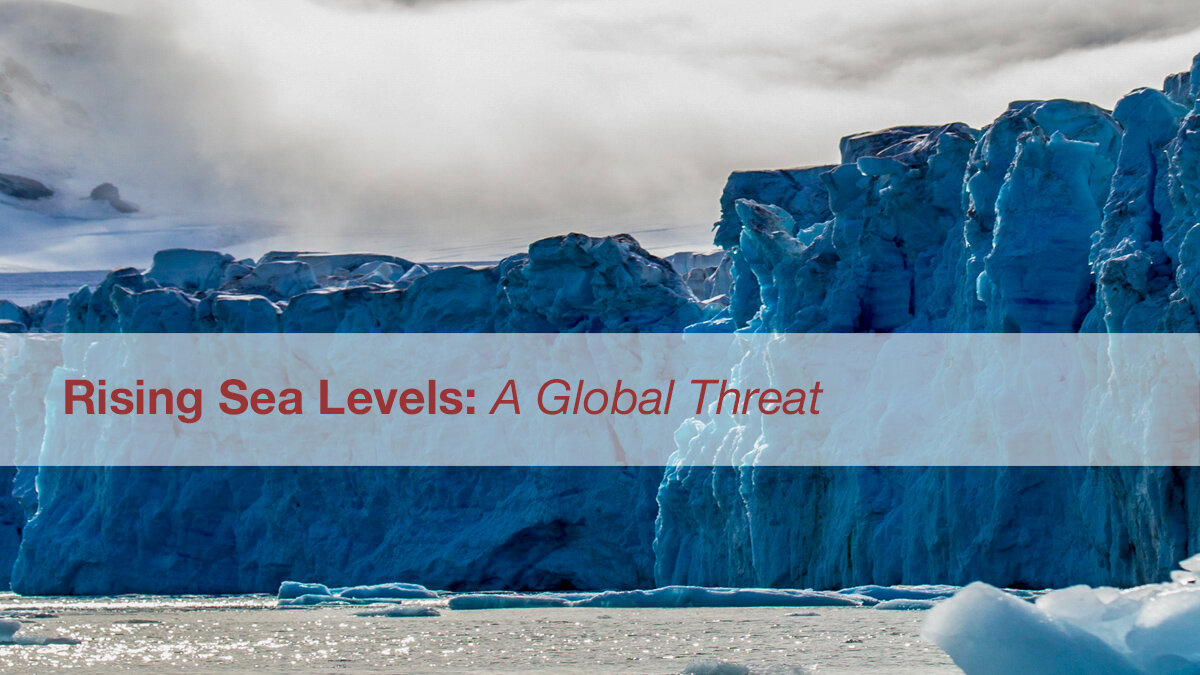
One of the most significant challenges related to global climate change is rising sea levels. Since the beginning of the 20th-century, sea levels have gradually risen by 16 - 21 cm (6.3 - 8.3 in).
The rise in sea levels has also accelerated over time due to thermal expansion (the change in the volume and area of matter due to increased temperatures) and the melting of ice sheets and arctic glaciers.
Stock Image Gallery of Rising Sea Levels
Researchers have calculated that arctic sea ice has declined by 10% in the last 10 years. In addition to rising sea levels, this has altered the circulation of the Atlantic Ocean, destroying fisheries in northern countries and creating massive storms and hurricanes.
Coastlines around the world remain susceptible to flooding. Some at-risk coasts include the Miami shore, Rio de Janeiro, Osaka and Shanghai. The Egyptian city, Alexandria, faces a particular threat as much of its population exists in low lying coastal areas, which will likely be inundated within the next decade.

Science phone cases, masks, mugs and more
Our best hope for limiting the increase in sea levels is to reduce our carbon footprint. Initiatives in renewable energy and efficient power are critical components in reaching our emission goals.
For images of climate science and rising sea levels, click the links above. For information on how you can help deduce our carbon emissions head to the Environmental Defense Fund. (www.edf.org)

Young Northern Fur Seal tangled in a nylon rope and dragging nets, cables, and fishing wires, doomed to die of hunger.
While plastic items in our daily lives are designed for one-time use, they have a long life span, usually up to 1,000 years.
Plastic is also deadly. People consume thousands of plastic articles each year, which damage our health, especially our immune systems. Plastic particles are even in the air we breathe, floating in the remotest places from fields to mountains.
For many animals plastic is lethal. Sea birds get caught in plastic fishing line and starve to death. Small mammals choke and die in 6-pack plastic rings. Dolphins and whales swallow plastic particles that block up their bodily systems. Sea turtles suffocate in plastic bags and floating debris prevents them from surfacing for air.
Luckily, as awareness grows, people are working to clean up plastic in the environment. New types of safe, biodegradable plastic are also coming on the market. We have a very long road ahead, but with more awareness and countries working towards a common goal, we have a more hopeful future.
plastic pollution, wildlife, animals, plastic in our lives

Science mugs, prints, masks, and cellphone cases
wwf.org
rhinos.org
telegraph.com

There’s no doubt about it - our immune systems are powerful. We’ve all had moments where we don’t pay much attention to our immune systems because of lack of sleep or high stress, and had to endure bouts of sneezing, coughing, or fever in the coming days. Some of us have taken extra steps to make sure our immune systems are as strong as possible, and noticed how invincible it feels to go months without getting sick. Everyday function, brain power, and physical ability depends strongly on our body’s ability to fight off viruses and disease.
The power that our immune system provides in determining our health can even be utilized to fight cancer. Immunotherapy is a method of cancer treatment that helps to strengthen the immune system to be able to fight cancer cells better, as well as direct the immune system towards specific cancer cells.
RF and RM Stock Images and Video of Immunotherapy
A large number of cells in our body aid in the immune system. White blood cells (lymphocytes) recognize foreign bodies such as viruses and fight them with antibodies, which are proteins that are sent out to bind to these foreign bodies. T cells are a specific type of white blood cell that search for, capture and destroy foreign bodies and infected cells.
Immunotherapy works with these cell types to focus in on cancer cells and kill as many as possible. There are many different methods of immunotherapy that enhance the immune system in a variety of ways.
Proteins called monoclonal antibodies (therapeutic antibodies) can be created in a laboratory and used for immunotherapy. These antibodies are introduced into the body to flag cancer cells so the immune system can more easily detect them.
Checkpoint inhibitors can be put into a patient’s bloodstream to disable proteins that stop the immune system from attacking cancer cells. These proteins attach to T cells, and can activate or deactivate the immune system when needed. Because cancer cells can pose as normal cells and pass a T cell checkpoint without any activation of the immune system, checkpoint inhibitors are used to make sure that T cells will be activated to help destroy cancer cells with each encounter.
Adoptive cell transfer is a form of therapy that can also help boost the function of T cells. In this method, T cells are taken from the body, and the cells that are most defensive are grown and multiplied in a lab and put back into the body intravenously.

livescience.com
cancer.gov
immunology.org
pacificimmunology.com
tcells.org
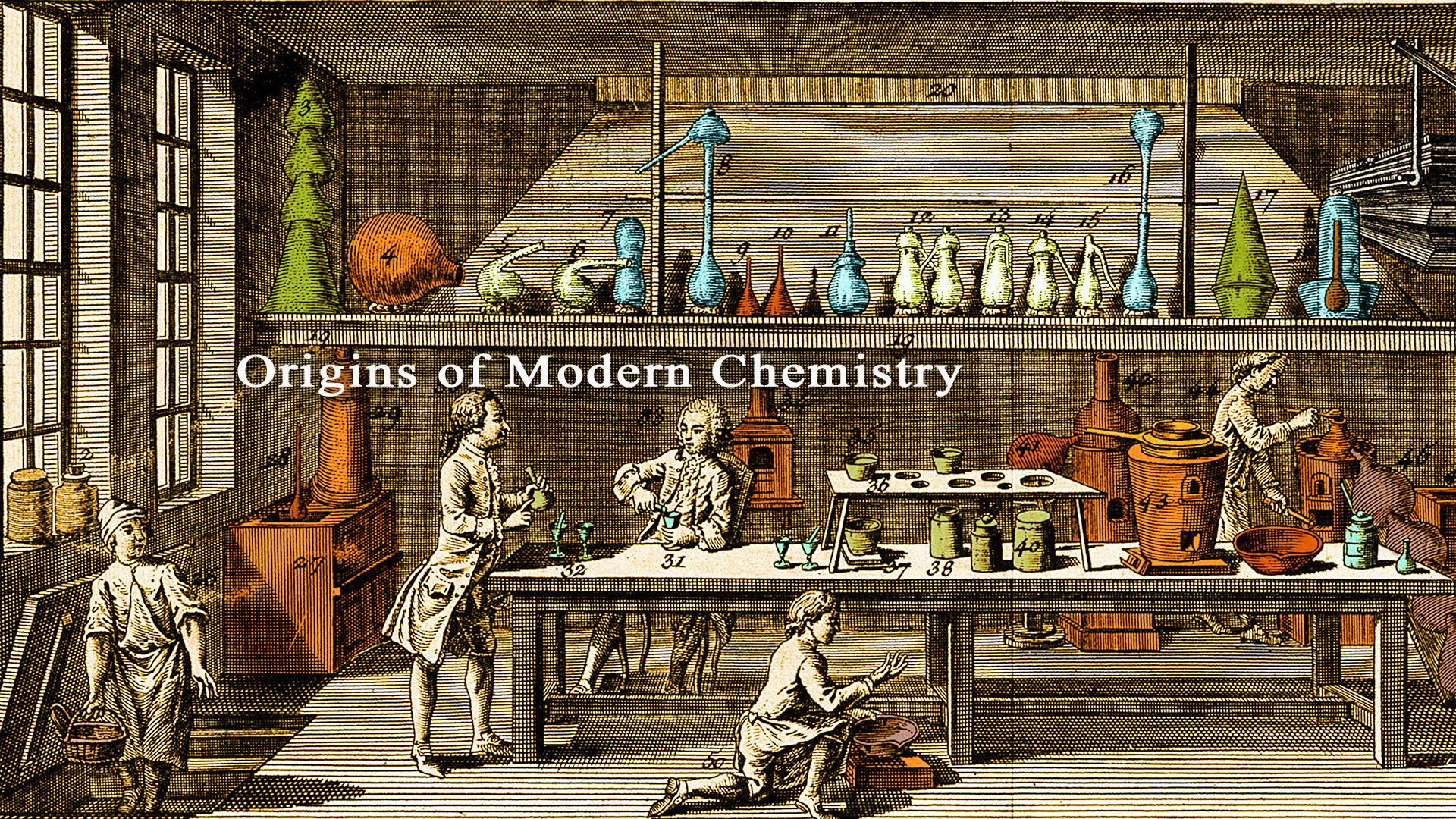
18th century chemical laboratory, Paris.



npr.org
who.int
historyofvaccines.org
cdc.gov

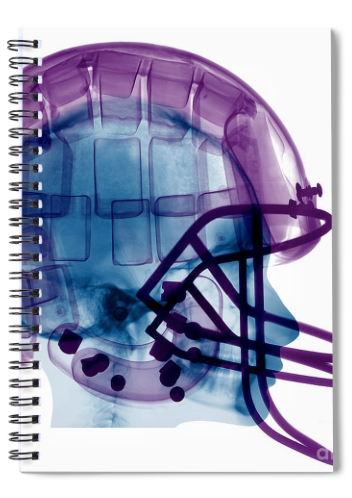
Sports notebooks, phone cases, masks, and more
popsci.com
mayoclinic.com
webmd.com


Astronomy phone cases, masks, tote-bags and more!
nasa.com
nytimes
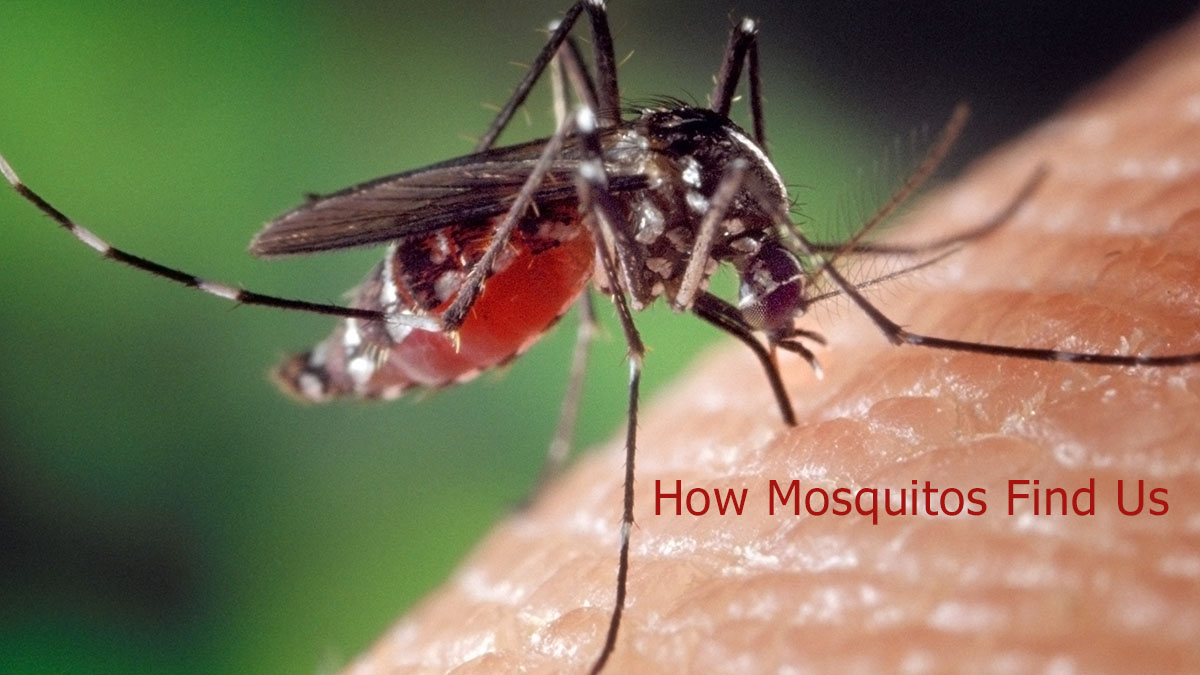
An Aedes Aegypti Mosquito biting a human.