
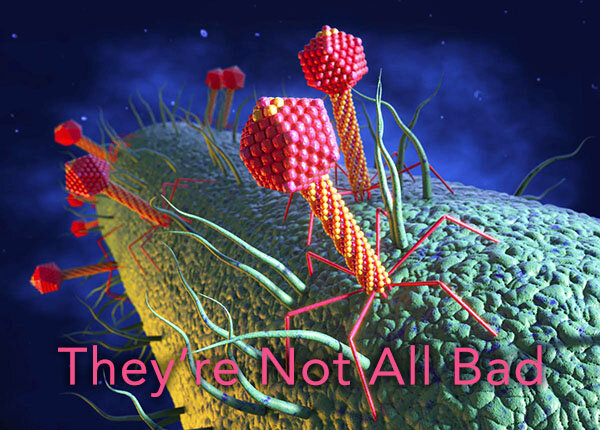
Bacteriophages attacking bacteria ©SPL/Science Source
Watch Science Come Alive Through Chemistry!
Whether you are homeschooling kids for quarantine or not, watching chemistry experiments pop, fizz, and explode is a fun and fascinating distraction. You may also learn something along the way.

Nitrocellulose explosion, high-speed
Some of these experiments can be tried at home, and others are best viewed from the safety of your computer.
Video & Photo Gallery of Science Experiments
Chemistry experiments to try at home:
Frying an egg to see the process of denaturation of protein,
Mixing an acid such as vinegar with baking soda to watch it fizz,
Rubbing a balloon on wool to create static electricity,
Dropping food coloring into a cup to learn about convection currents
Floating a paperclip on water to see surface tension
Iron filings showing the patterns created by a magnet.
Others that are best watched from your computer:
Aluminum and iodine catching fire
Potassium smoking when dropped in water
A nitrogen Triiodide Explosion
"Barking Dog" gas explosions
Combustion of iron wool
Vacuum decompression of marshmallows
Burning Boric Acid
This gallery is a small sample of the many chemical and physics experiments you'll find in our collection. Plus, all our stock science images have detailed and accurate caption information.
Feel free to search our vast and informative library. Let us help you teach your kids while homeschooling or help independent research with the perfect stock royalty free or rights managed video or photo for your next digital or print project.
Also, contact us for details about our new subscription pricing plan.
And of course, enjoy Science Comes Alive!
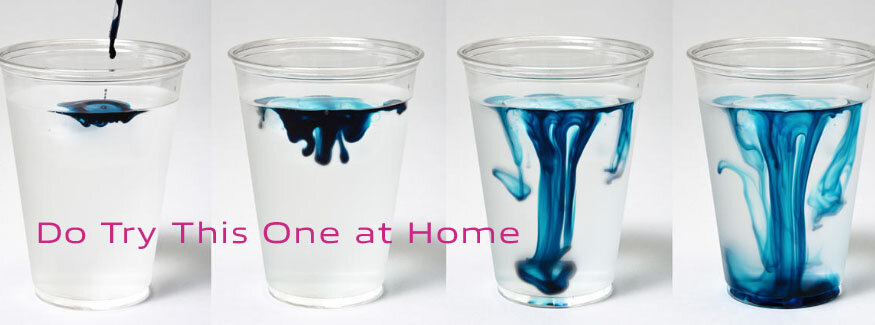
Teaching about Convection Currents Using Food Coloring in Water
A Vaccine Rumor... That Was True
In the age of COVID-19 or the coronavirus, there are many false rumors and conspiracy theories, relating to potential vaccinations. But the history of vaccines started with a rumor that turned out to be true.

Jenner, Cowpox and Small pox
In 1796 a medical rumor was flying around that if you were a milkmaid, you wouldn't catch the dreaded and deadly smallpox disease. (Smallpox had a 20% mortality rate). Oddly enough, this rumor turned out to be true and led the medical world to develop life-saving vaccines.
Gallery of Vaccine Stock Images
Cowpox is a disease similar to smallpox, and it transfers from cows to humans. But, in humans, it develops into a similar yet milder illness than smallpox. After suffering from cowpox, people develop antibodies that give them immunity to smallpox.
Based on this theory, Edward Jenner, an English physician, did the first human vaccine test, albeit, without all the modern safety protocols.
He found a milkmaid suffering from cowpox and took a bit of pus from one of her sores. Jenner found a test patient in his gardener's healthy eight-year-old son, James Phipps. Jenner scraped a bit of the pus into the boy's arm. A small blister appeared briefly; otherwise, the boy remained healthy.
Six weeks later, Jenner administered pus from a smallpox victim's sore into the child. The young boy didn't contract smallpox. His body had developed an immunity. Jenner went on to test and report on 23 additional subjects.
What is a vaccine? It is a preparation using a similar, weakened, or dead version of a pathogen to encourage the body to develop antibodies. These antibodies transfer immunity. Currently, vaccines may also use the genetic code or proteins in their formula.
Another noteworthy milestone in the history of vaccines was the Polio Vaccine. First, one by Jonas Salk in 1952. And later, in 1961, another polio vaccine by Albert Sabin came into commercial use.

Other notable vaccines include: Cholera by Jaune Ferran; Typhoid fever by Almroth Edward Wright, Richard Pfeiffer, and Wilhelm Kolle; tuberculosis by Stamen Grigoric, scarlet fever by George F. Dick and Gladys Dick and for influenza (or the flu), Anatol Smorodintsev.
Among the growing list of diseases that can be prevented by vaccination are measles, mumps, rubella, and chickenpox.
It is heartening to know that there have been so many successful vaccines in the past. We now wait as the world rapidly works towards another breakthrough: a Coronavirus vaccine.

Bone tissue magnified 2,500 times.
Medical Micrographs: a View into the Human Body
Medical science has advanced exponentially in the last century. Even just the way the human body and pathology is viewed. We’ve gone from the basic x-ray to be able to see a single cell in the human body. Or even smaller.
One of the most fascinating innovations has been the Scanning Electron Micrograph, often referred to simply as an SEM for short. It has revealed hidden worlds of the human body, medical, and of course the natural world as well.
Gallery of Medical and Anatomical SEMs (micrographs) Stock Photography
The scanning electron microscope was invented in 1937 by Manfred von Ardenne the SEM machine uses electrons to record the surface topography of objects.

SEM of Maple Leaf Tote bag
Browse SEM tote bags, masks, phone cases and more!
SEMs (scanning electron micrographs) as a rule are produced in black and white. But photographers often colorize them by hand using a technology called cathodoluminescence, which analyzes the light spectrum emitted by images and creates a semi-accurate color representation.
SEMs provide unprecedented insight into the human body and are a vital source of images to the scientific community. To see more SEMs visit our Fine Art America gallery.

Earth Day and Nature Conservation
Earth Day, April 22, is an annual celebration devoted to environmental protection. First organized in 1970 by American activist Denis Hayes, the day began on college campuses and secondary schools and eventually spread globally to more than 190 countries.
The most recent accomplishment of Earth Day activists was in 2016 when world leaders signed the pivotal Paris Agreement. The co-signers were the United States, China, and 120 other nations. Their signatures rolled into action new initiatives to reduce environmental destruction and limit carbon emissions to stall the effects of climate change. The treaty was adopted by 195 counties and was presented at the United Nations Climate Change Conference in Paris on Earth Day.
Earth Day & Conservation Photos
The first Earth Day celebrations took place in two thousand colleges and universities, roughly ten thousand primary and secondary schools, and hundreds of communities across the United States in response to the Santa Barbara oil spill of 1969. The day’s purpose was to expose millions of Americans to the sunshine of Spring while involving them in peaceful demonstrations for environmental reform.
Since then, Earth Day activists have been instrumental in numerous environmental initiatives, including education programs, regulating pollutants, and advancing green energy.

Alexander Von Humboldts was the first environmentalist. Get a tote bag of his work here!
According to Denis Hayes, Earth Day is now "the largest secular holiday in the world, celebrated by more than a billion people every year."
From everyone at Science Source, we would like to wish you a Happy Earth Day. Please do your part by supporting environmental efforts in the link below and check out our storefront for great Earth Day products!
Bringing to Light, Creatures of Darkness: Cave and Deep Sea Photography of Dante Fenolio
Danté Fenolio, Ph.D., has devoted his life to bringing rarely seen creatures to light through his beautiful and eerie photography.

Danté Fenolio Caving in China
He's brought us images from habitats without light: caves, the bottom of the ocean, and the canopies of the rainforest. Not interested in the typical, he seeks out underappreciated and rarely seen creatures to highlight the need for conservation of the world's biodiversity.
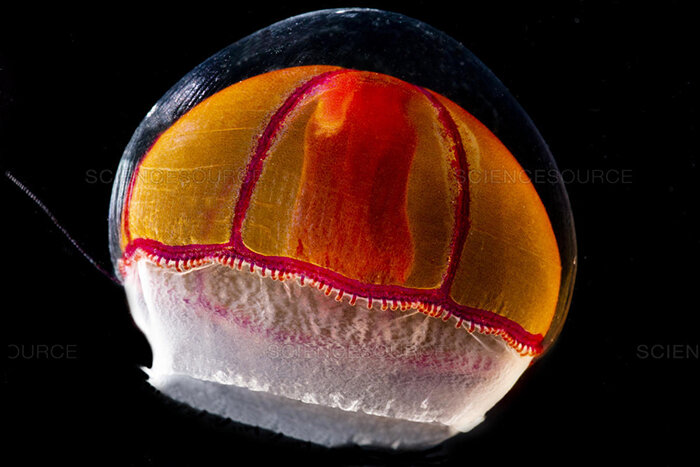
Science Source Images is proud to represent exclusive photographs from his collection. Discover a Fangtooth from the Gulf of Mexico, a colony of Siphonophore, orange and red-colored Jellies, transparent Batfish, and blind albino Salamanders. His creatures are so unusual they may not seem real, but they are all part of the wonder of our planet.
Fenolio is not only a successful author and adventure photographer, he is also a conservator and research developer at the San Antonio Zoo. His many projects to save animals and their habitats span the globe. Along with China, Peru, Japan, and Chile, he works in the United States. His efforts range from the Ozarks to Oklahoma to Georgia.


Asian woman wearing a surgical mask and medical illustration of the life cycle of the coronavirus.
Coronavirus, the Flu and Pandemics
The world waits to see if the new Coronavirus will become a full fledged pandemic or be contained as other recent threats have, such as SARS in 2003.
It’s rare for a coronavirus to jump from the animals that commonly carry it, such as camels and bats, to humans. But in December 2019, a strain of coronavirus known as “2019-nCoV” did just that in Wuhan, China. It’s spreading at an ever-accelerating rate. The Chinese Government has shut down all travel in infected cities.
Stock Medical Photos of Patients, Surgical Masks, the Flu and Coronavirus
People entering the United States from China are currently being screened at airports. Only a handful of cases have been found in America. Those patients are in quarantine.
Air travel allows infected people to spread the virus worldwide, causing many to fear a pandemic. Well-known pandemics in history include the Black Death (bubonic plague), smallpox, tuberculosis, Spanish Flu, and more recently, HIV.
People worldwide have taken to wearing surgical or hospital masks to protect themselves from the airborne particles of 2019-nCoV. If not sealed and disinfected daily, the masks can become ineffective.
As with the common flu that kills 50,000 - 80,000 Americans annually, the best protection is to wash your hands often and thoroughly.
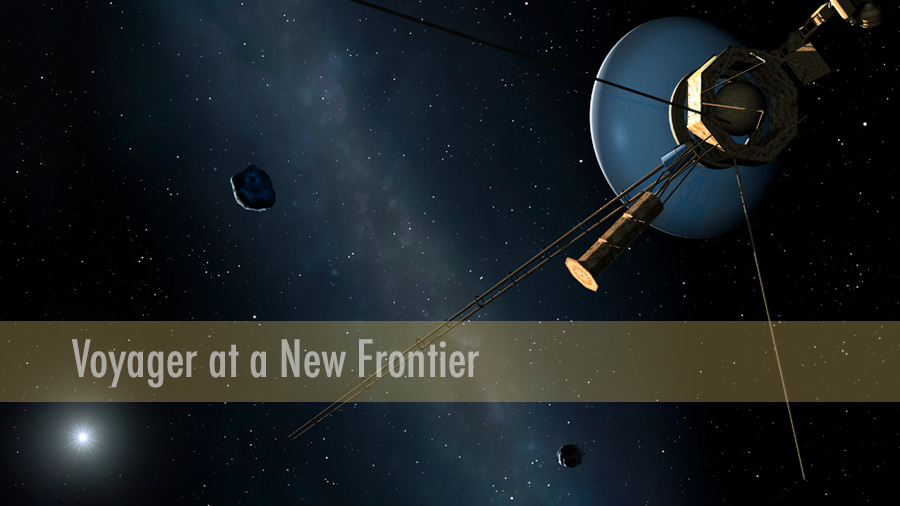
Voyager 1 at a New Frontier
The Voyager 1 and 2 space probes reached a new benchmark in space, as they crossed the boundary of the Heliosphere. For the first time we’re getting footage of a region called the interstellar medium (ISM) or the space between stars.
The Voyager probes began their journey in 1977, making them the longest active space probes in history. Throughout their journey they’ve documented Jupiter, Saturn, and Saturn's largest moon, Titan, studying the weather, magnetic fields, and rings of the planets and providing detailed images of their moons.
Stock Image Gallery of the Voyager Missions

Mugs, t-shirts, masks, phone cases and notebooks
Voyager 1 became the first spacecraft to exit the solar system in 2012. Unfortunately, its plasma instruments went off line in 1980, leaving scientists without a clear picture of the region. Voyager 2 caught up with it, however, providing NASA with its first footage of the interstellar medium (ISM) .
The Voyagers are powered by radioisotope thermoelectric generators which conduct energy from radiation allowing them to transmit data all the way back to the planet earth. The generators are set to lose power by the year 2032, making the voyager mission close to an end.
To find out more about the voyager missions go to the big think. And for greats space prodcuts head to our storefront below.
Space mugs, T-shirts, Prints, Masks, Phone cases and More

Rising Sea Levels
One of the most significant challenges related to global climate change is rising sea levels. Since the beginning of the 20th-century, sea levels have gradually risen by 16 - 21 cm (6.3 - 8.3 in).
The rise in sea levels has also accelerated over time due to thermal expansion (the change in the volume and area of matter due to increased temperatures) and the melting of ice sheets and arctic glaciers.
Stock Image Gallery of Rising Sea Levels
Researchers have calculated that arctic sea ice has declined by 10% in the last 10 years. In addition to rising sea levels, this has altered the circulation of the Atlantic Ocean, destroying fisheries in northern countries and creating massive storms and hurricanes.
Coastlines around the world remain susceptible to flooding. Some at-risk coasts include the Miami shore, Rio de Janeiro, Osaka and Shanghai. The Egyptian city, Alexandria, faces a particular threat as much of its population exists in low lying coastal areas, which will likely be inundated within the next decade.

Science phone cases, masks, mugs and more
Our best hope for limiting the increase in sea levels is to reduce our carbon footprint. Initiatives in renewable energy and efficient power are critical components in reaching our emission goals.
For images of climate science and rising sea levels, click the links above. For information on how you can help deduce our carbon emissions head to the Environmental Defense Fund. (www.edf.org)

Young Northern Fur Seal tangled in a nylon rope and dragging nets, cables, and fishing wires, doomed to die of hunger.
Plastic is Deadly
While plastic items in our daily lives are designed for one-time use, they have a long life span, usually up to 1,000 years.
Plastic is also deadly. People consume thousands of plastic articles each year, which damage our health, especially our immune systems. Plastic particles are even in the air we breathe, floating in the remotest places from fields to mountains.
Stock Image of Plastic Pollution and Wildlife
For many animals plastic is lethal. Sea birds get caught in plastic fishing line and starve to death. Small mammals choke and die in 6-pack plastic rings. Dolphins and whales swallow plastic particles that block up their bodily systems. Sea turtles suffocate in plastic bags and floating debris prevents them from surfacing for air.
Luckily, as awareness grows, people are working to clean up plastic in the environment. New types of safe, biodegradable plastic are also coming on the market. We have a very long road ahead, but with more awareness and countries working towards a common goal, we have a more hopeful future.
plastic pollution, wildlife, animals, plastic in our lives
Plastic Pollution: Framed Prints, Masks, Tote Bags, Note Books, and More…

Endangered Animals
Species around the world are facing extinction from threats ranging from ivory poaching to global climate change. Organizations such as the World Wildlife Fund have responded to the crisis with far-reaching conservation efforts.
The black rhinoceros has long been a victim of poaching for the international trade in rhino horn. British colonists began hunting rhinos in Africa during the colonial era and poaching has continued to this day. Conservationists work to protect rhino populations by building conservations and training local rangers to fend off poachers, but victories are hard fought. The black rhino’s population has sunk to 2,300 in recent years.
The polar bear has risen to public awareness due to the impact of climate change on the Arctic. Since 1979 the volume of sea ice shrunk by 80%, dramatically reducing the polar bear’s natural habitat. Experts say that the population of polar bears decreased to 20,000 to 25,000 in the last decade, classifying them a ‘vulnerable’ species. Conservationists work with businesses and governments to support green energy initiatives and help mitigate climate change.
Endangered Species Stock Image Gallery
It is worth noting that animals that enter the endangered species list do not always stay there. Famously, the American buffalo was reduced to near extinction following the American expansion into the western frontier but conservation efforts have increased their numbers gradually throughout the 20th century.

Science mugs, prints, masks, and cellphone cases
Likewise, the giant panda faced extinction a decade ago but has recently made gains due to protected habitats in China. Another encouraging story comes from the Siberian tiger, which was reduced to double digits in the early 1900s but has since increased to about 500.
While species around the world become endangered, conservationists continue to fight for their survival. Find out how you can help by visiting the World Wildlife Fund below. For a full gallery of endangered species follow the link and be sure to check out our storefront for great animal gifts.
The World Wildlife Fund
Endangered Animals: prints, masks, tote bags, and cellphone cases
wwf.org
rhinos.org
telegraph.com

Immunotherapy: Your Immune System is Cancer's Biggest Enemy
There’s no doubt about it - our immune systems are powerful. We’ve all had moments where we don’t pay much attention to our immune systems because of lack of sleep or high stress, and had to endure bouts of sneezing, coughing, or fever in the coming days. Some of us have taken extra steps to make sure our immune systems are as strong as possible, and noticed how invincible it feels to go months without getting sick. Everyday function, brain power, and physical ability depends strongly on our body’s ability to fight off viruses and disease.
The power that our immune system provides in determining our health can even be utilized to fight cancer. Immunotherapy is a method of cancer treatment that helps to strengthen the immune system to be able to fight cancer cells better, as well as direct the immune system towards specific cancer cells.
RF and RM Stock Images and Video of Immunotherapy
A large number of cells in our body aid in the immune system. White blood cells (lymphocytes) recognize foreign bodies such as viruses and fight them with antibodies, which are proteins that are sent out to bind to these foreign bodies. T cells are a specific type of white blood cell that search for, capture and destroy foreign bodies and infected cells.
Immunotherapy works with these cell types to focus in on cancer cells and kill as many as possible. There are many different methods of immunotherapy that enhance the immune system in a variety of ways.
Proteins called monoclonal antibodies (therapeutic antibodies) can be created in a laboratory and used for immunotherapy. These antibodies are introduced into the body to flag cancer cells so the immune system can more easily detect them.
Checkpoint inhibitors can be put into a patient’s bloodstream to disable proteins that stop the immune system from attacking cancer cells. These proteins attach to T cells, and can activate or deactivate the immune system when needed. Because cancer cells can pose as normal cells and pass a T cell checkpoint without any activation of the immune system, checkpoint inhibitors are used to make sure that T cells will be activated to help destroy cancer cells with each encounter.
Adoptive cell transfer is a form of therapy that can also help boost the function of T cells. In this method, T cells are taken from the body, and the cells that are most defensive are grown and multiplied in a lab and put back into the body intravenously.

Prints of Cancer and the Immune System
Through the technology that scientists now have available in labs, immunotherapy provides another option for cancer treatment which can give many patients more hope. Although this type of therapy has its own side effects, and sometimes has the potential to damage the body, it has been known to successfully treat some cancers when radiation or chemotherapy failed, and can also enhance the effectiveness of other methods of treatment when used in combination.
Overall, it has the potential to provide hope to many of millions of people around the world affected by cancer.
livescience.com
cancer.gov
immunology.org
pacificimmunology.com
tcells.org
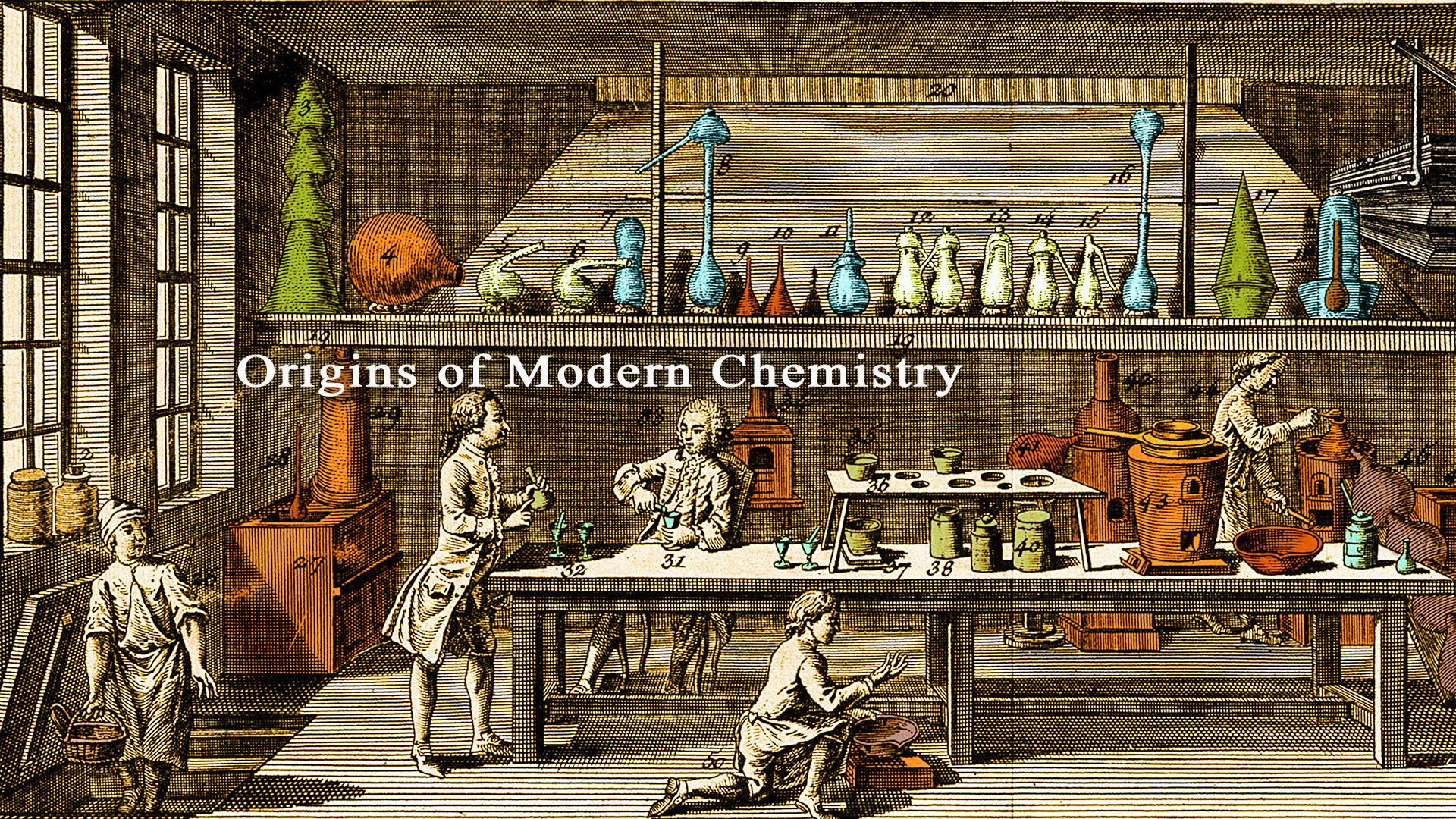
18th century chemical laboratory, Paris.
Origins of Modern Chemistry
How did we get from discovering fire to using nanotubes in labs?
The concept of atoms was first conceived in ancient Greece by a group of philosophers known as the atomists. In 330 BC, Aristotle opposed this theory. He was a proponent of the elemental theory, positing that all matter was composed of the elements earth, fire, water, and air. He even added an element, aether (or ether).
The elemental theory continued into the middle ages through the study of alchemy. Alchemists added sulfur, salt, and mercury to the list.
RF and RM Stock Images and Video
of the History of Modern Chemistry
Finally, in 1661, Robert Boyle published the book "The Sceptical Chymist", presenting his hypothesis of particles in motion and asserting that only experiments using the "scientific method" could be considered true.

Another milestone in chemistry was the discovery of electrochemistry. Alessandro Volta invented the first battery in 1800, using piles of copper and zinc discs. They were separated by cloth soaked in brine. When wires were attached to the top and bottom, electricity flowed through the wires.
Order custom notebooks, t-shirts, masks, tote bags, and more gifts for your favorite scientist or grad.
Antoine-Laurent de Lavoisier established the Law of the Conservation of Mass, also called "Lavoisier's Law", in 1789. His book "Elementary Treatise of Chemistry" is considered the first modern chemistry textbook. It contained a list of elements, or substances that could not be broken down further, including oxygen, nitrogen, hydrogen, phosphorus, mercury, zinc, and sulfur.
Lavoisier unfortunately lost his head to the guillotine during the French Revolution, but not before beginning his own revolution in science and becoming the father of modern chemistry.
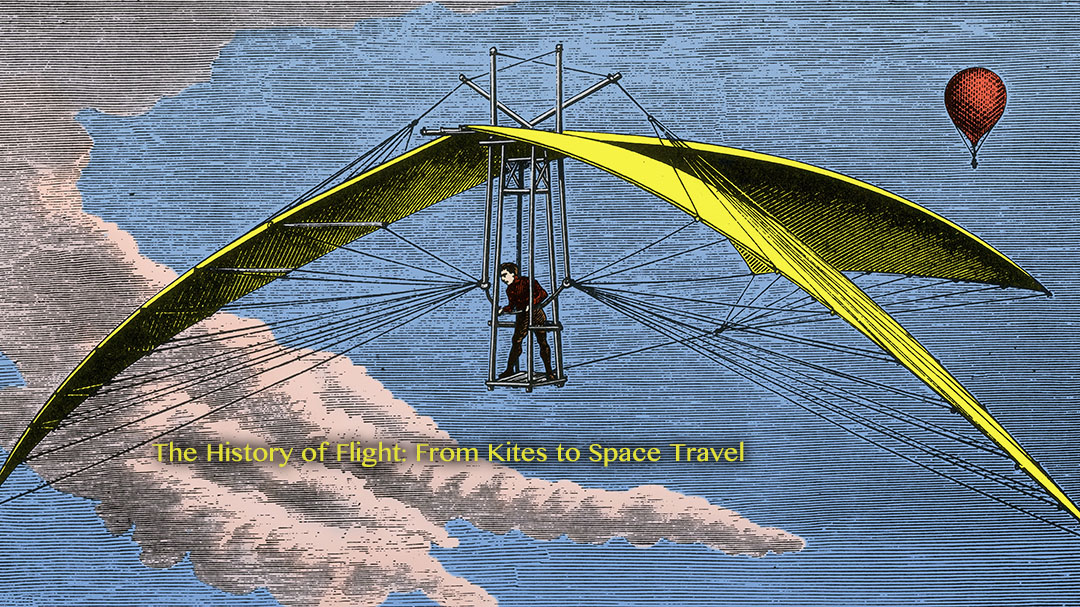
History of Flight: From Kites to Space Travel.
There are over 100,000 airplane flights a day, with almost 10,000 planes in the air simultaneously. It's taken humanity thousands of years to get to this point, starting with the invention of the humble kite in China in 475 BC.
The popularity of kite flying in China began people thinking about making human flight a reality. Soaring through the air untethered to the ground. Before, it has been the realm of mythology, such as Icarus, Alexander the Great, and Pegasus.
Images & Video of the History of Flight
On the way, there were many failed attempts over the centuries. At first, many inventors tried to replicate the wings of birds, even using feathers or lightweight wood. But, a human's arm muscles are not like a bird's.
Leonardo DaVinci made over 100 drawings of his theories of flight and flying machines. None of which were built in his lifetime.
It took until 1783, Paris, France before man reached this goal. Jean-François Pilâtre de Rozier and François Laurent d'Arlandes flew in a balloon created by the Montgolfier brothers.

Balloon travel brought us blmips, zeppelins, and airships. Over time the hot air balloon was refined and morphed by inventors, eventually bringing us to gliders. This development brought us a big step closer to a true airplane. George Cayley designed version of a glider that use the movements of the human body to control it.
T-shirts, Mugs, Masks, Notebooks and Other Custom Gifts of the History of Flight
Samuel Langley, who was the Smithsonian Institute Secretary came close to unmanned flight in 1891. He built a model called the Aerodrome, which was powered by a steam engine. It flew for 3/4 of a mile. But, when he scaled it up to fit a person, it never flew successfully. After one test flight over the Potomac River, a journalist said, " It slid into the water like a handful of mortar."
While Langley was concentrating on propulsion, the Wright Brothers, bicycle mechanics by trade, in Kitty Hawk, NC, were focus on balance. They did their research without the help of a large institution, looking into the history of flight so far, and building models and even a wind tunnel.
Finally, on December 17, 1903, Wilbur and Orville Wright successfully flew the first powered aircraft. Their plane flew 852 feet. In another 11 years, the first scheduled commercial flight took off, transporting people between St. Petersburg and Tampa, Florida.
Planes become critical during WWI. The Germans used airplanes such as the Fokker Eindecker as well as Zeppelins to drop bombs on the allies.
In 1927 Lindbergh completed the first solo nonstop flight across the Atlantic Ocean. Eventually, commercial air travel would become commonplace.
Today gigantic cargo planes with wingspans of 290 feet can carry 640 tons.
Humans are never satisfied, so we keep pushing flight further. First to land on the moon and who knows where we'll travel next.

Vaccines: How They Protect Us
Although vaccination has been a hot topic in recent news, the study of vaccination goes back to around 1,000 years ago. Early records of smallpox immunization, called variolation, can be dated back to 1000 CE in China.
Variolation was a practice that involved taking material (usually part of a scab) from a patient that was infected with smallpox and exposing a healthy individual to this material. The doctor would often insert the infected material underneath the healthy person’s skin to achieve proper exposure. The hope was that the healthy person would get sick, their immune system would successfully fight the virus, and they would then be immune to the disease once they recovered. Not surprisingly, some patients died from an intentional infection of smallpox, but the ones that did survive were indeed immune to future infections.
RF and RM Images of Viruses and Vaccines
Luckily, we have since discovered a less risky immunization method, but the general concept is similar. The body is exposed to the germs of a virus to elicit an immune response, which is a fight from the immune system to attack the organisms, kill them, and protect the body from being infected. If the body is exposed later on to the same virus in its active form, the immune system recognizes it and knows how to fight it off. But instead of using full-force, potent forms of the virus, we now use killed or weakened germs from a virus to provoke an immune response.
Physicians use attenuated (weakened or altered) forms of the virus because they signal the immune system to learn how to fight the disease without hurting the body. The ‘germs’ they use in the vaccination are samples of microbes or proteins that make up the virus.
Through all of the research and discoveries surrounding vaccines, we’ve been able to prevent a long list of diseases, such as cervical cancer, measles, hepatitis B, whooping cough, pneumonia, mumps, and polio.
Recent outbreaks of measles have occurred in the US and Europe in insular communities where groups of people resist vaccination. The CDC confirms 880 cases of measles occurring across the US this year, the greatest number of cases reported since the disease was declared eliminated in 2000.
Historically, the link between outbreaks of diseases and a concentrated lack of vaccinations holds true. Both Britain and Japan developed anti-vaccination trends in the 1970s, caused mainly by skepticism about whooping cough (pertussis) vaccine. The World Health Organization reports that 100,000 children were infected with whooping cough in Britain, and 38 died. In Japan, the number of infected individuals went from 393 to 13,000 cases, and the number of deaths went from 0 to 41.

With such a long history, vaccines continue to shape the knowledge we have about our bodies, immune systems, and how easily viruses and bacteria can affect our health.
Virus and Vaccine Prints, Masks, Notebooks, and More
npr.org
who.int
historyofvaccines.org
cdc.gov

Concussions and the Future of Contact Sports
Injuries are the last thing one thinks of on game day but they’re an inevitable part of professional sports and they’re shaping what athletics will look like in the future.
Concussions are one of the biggest threats to professional athletes today. Repeated concussions can lead to memory loss, personality changes, depression and anxiety. After suffering one concussion a person is more likely to suffer a second one, and the effects become more severe. Multiple concussions can increase the risk of Alzheimer’s, Parkinson’s and CTE.
Chronic traumatic encephalopathy (CTE) is a brain disorder that occurs after repeated head injuries. Symptoms include memory loss, impaired judgement, aggression, depression and suicidal thoughts. In one famous case, Aaron Hernandez, a young professional football player, committed suicide in prison without knowing he had the disease.
Sports Injury and Video Gallery
A number of sports have changed their rules to prevent head injuries. The NFL, for instance, has moved kickoffs from the 30 yard line to the 35 yard line to reduce the speed players reach before colliding with each other. The NFL will also now penalize a player who lowers his head to make contact with his helmet against an opponent.
Professional boxing and MMA (mixed martial arts) have outlawed strikes to the back of the head, or ‘rabbit punches’. The weight of fighters’ gloves has also changed over the years to control the damage of punches and protect the hands. Larger boxers generally wear heavier gloves, but it is still unclear how much the weight of gloves mitigates the impact of punches.
Sports notebooks, phone cases, masks, and more
As rules and regulations change, the future of contact sports remains unclear. For now, anyone participating in contact sports should wear proper safety gear and maintain industry standards.
For a full gallery of sports injuries check the link above and for great sports gifts head to our storefront below.
Sports Phone Cases, Prints, Masks and More
popsci.com
mayoclinic.com
webmd.com