
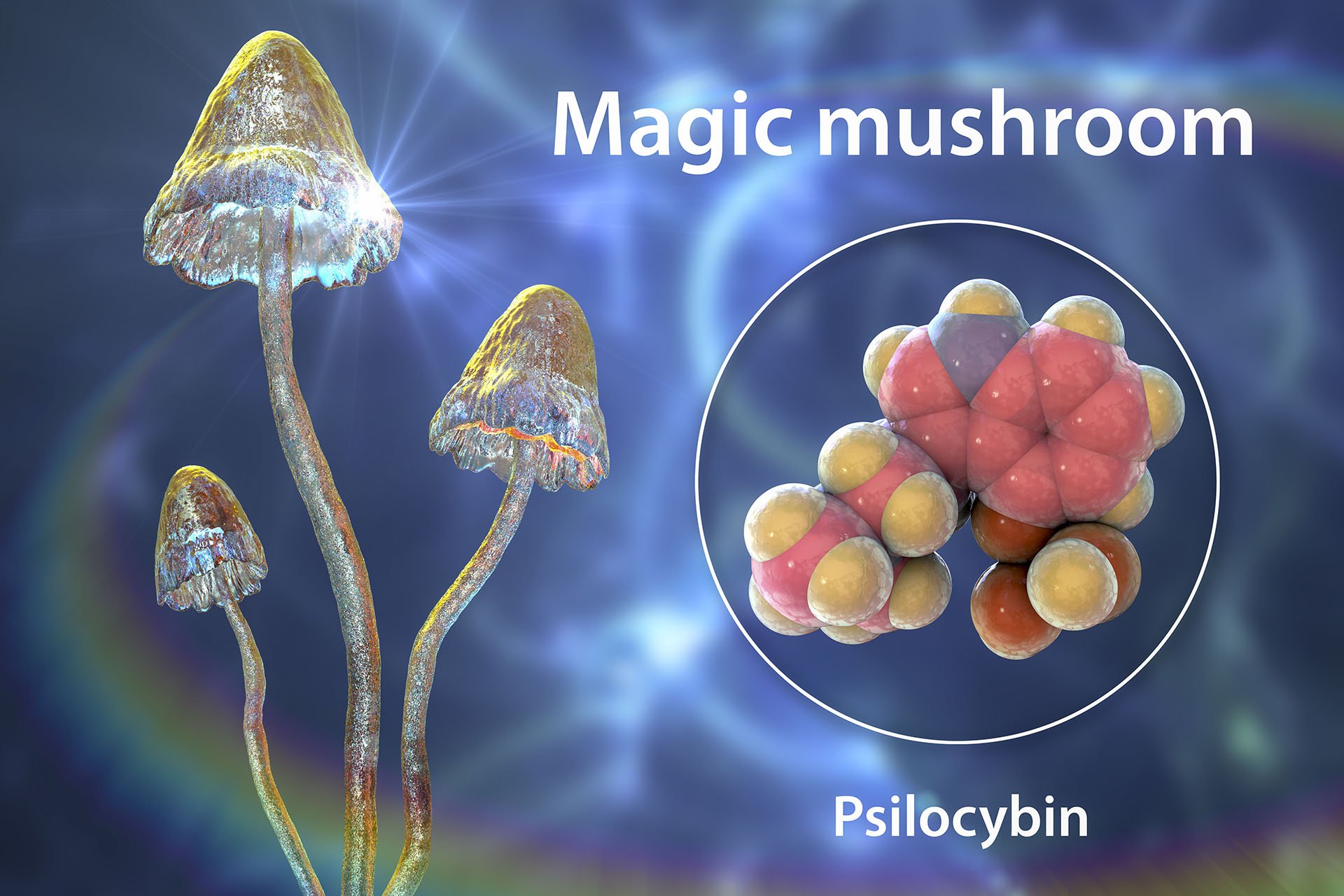
Press a thumb against the stem of a Psilocybe mushroom and, within minutes, a blue bruise appears. The fungus is showing off its chemistry. That color traces back to psilocin, a compound that has threaded through ritual traditions for centuries and now turns up in neuroscience journals. Psilocybin mushrooms bring together several areas of scientific interest, from fungal biology and chemistry to neuroscience and cultural history.
Psilocybin and Magic Mushroom Collection
From Forest Floor to Receptor: How Psilocybin Works
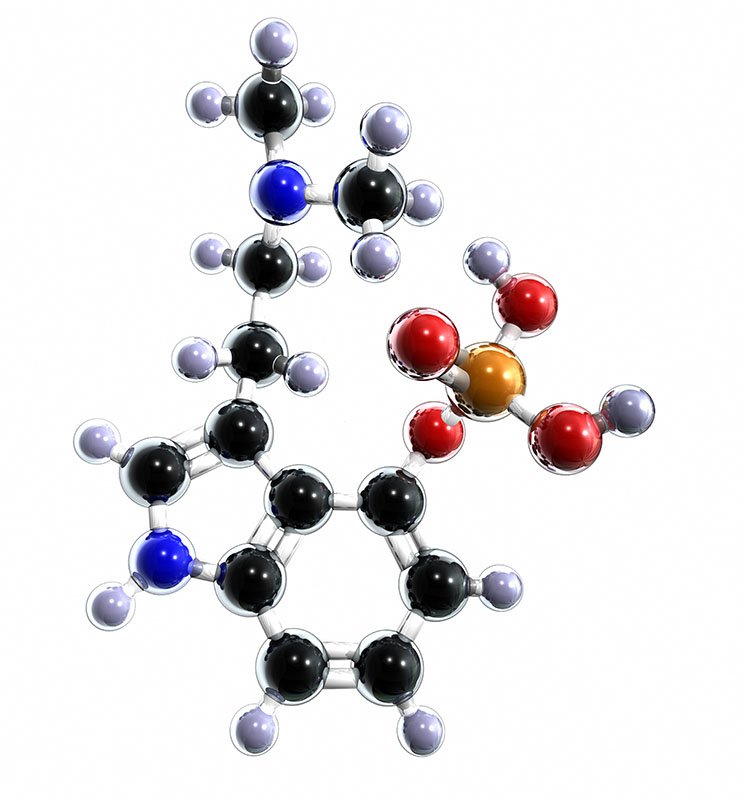
Psilocybin molecule, illustration. © ANIMATE4.COM / Science Source
Psilocybin is a kind of molecular stand in. After you eat it, enzymes snip off a phosphate group and convert it to psilocin, which looks enough like serotonin to fit into serotonin 2A receptors on brain cells. Brain imaging studies have reported shifts in how different regions communicate, including the default mode network, the circuitry associated with daydreaming and self-reflection. Researchers are still debating what those patterns mean, which is part of the appeal.
The history has its own good stories. In 1957, banker and amateur mycologist R. Gordon Wasson described Mazatec mushroom ceremonies in Oaxaca for readers of Life magazine. A year later, Albert Hofmann, the chemist who discovered LSD, isolated psilocybin and psilocin in his lab at Sandoz.
From Harvard Researcher to Psychedelic Icon
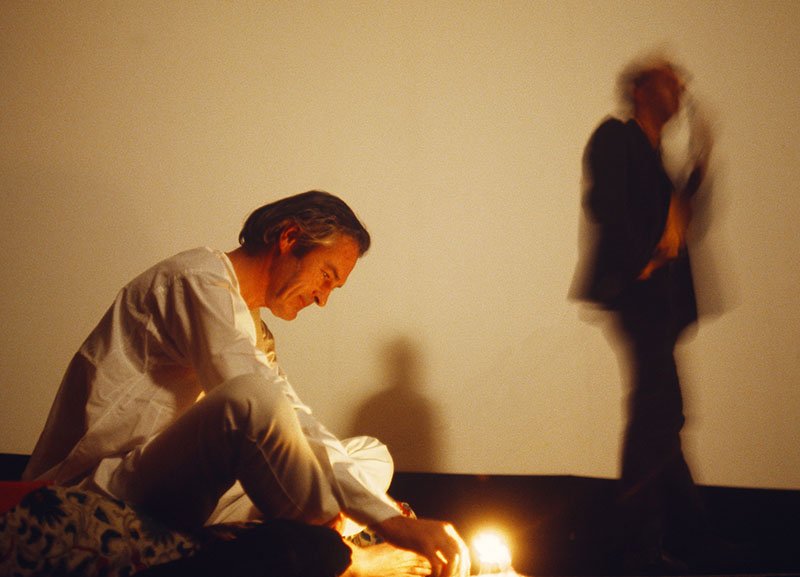
Timothy Leary and Richard Alpert. Credit Mooshake Greenberg / Science Source
Few figures are as closely associated with the cultural history of psychedelics as Timothy Leary. A lecturer in psychology at Harvard, Leary first tried psilocybin mushrooms in the summer of 1960 during a visit to Cuernavaca, Mexico. The experience made such an impression on him that, upon returning to Harvard, he teamed up with colleague Richard Alpert to investigate the effects of psilocybin on human consciousness. Their Harvard Psilocybin Project attracted considerable attention—and controversy. In 1963, both men had left the university under contentious circumstances. Leary went on to become one of the most recognizable and controversial advocates of psychedelic drugs in the 1960s counterculture. In 1964, he, Alpert, and psychologist Ralph Metzner published The Psychedelic Experience, a book inspired by the Tibetan Book of the Dead that helped bring the concept of "set and setting" into popular discussion. Leary's unconventional life even extended beyond death: when he died in 1996, he requested that his ashes be sent into space, and a portion was launched into Earth orbit the following year.
A Genus With a Strange Family Tree
Psilocybe cubensis, with its golden cap, is the species most people picture. But psilocybin also turns up in fungi from unrelated genera, including Panaeolus and Gymnopilus, which puzzled mycologists for years. A 2018 study proposed an explanation: the genes for making psilocybin may have hopped between distantly related fungi, a process called horizontal gene transfer. One hypothesis suggests the compound helped fungi fend off insects competing for the same dung and decaying wood. It remains a hypothesis, and a charming one.
Mushrooms are also notoriously hard to identify, even for experts. Galerina marginata, a small brown species with deadly amatoxins, is a famous look alike, which is why images of fungi belong in a science context rather than a field guide.
Why Psilocybin Is So Visually Rich
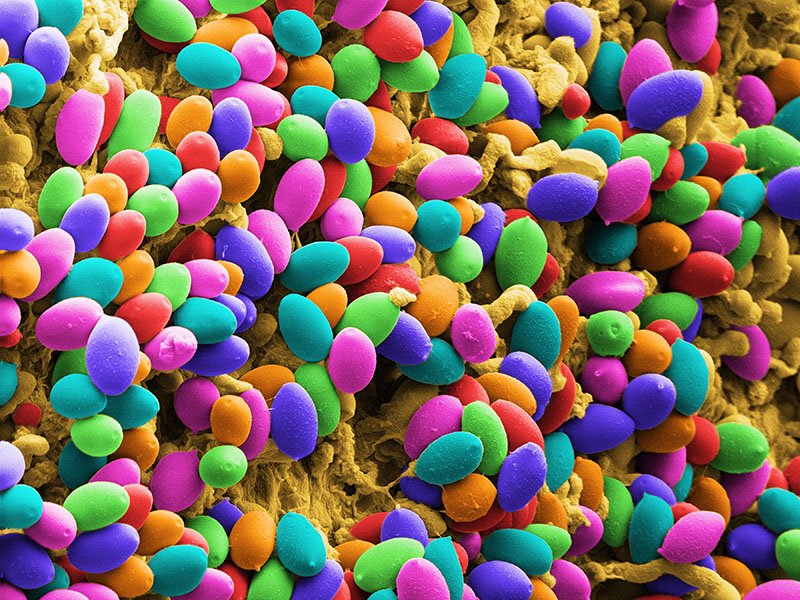
Magic Mushroom Spores, under a microscope (SEM) © Ted Kinsman / Science Source
Few subjects span so many scales. One story can start with a mushroom in leaf litter, drop to hyphae and spores under the microscope, then to the molecule, a receptor model, and a brain scan. Some of it is visible, like the blue bruise and the spore print. Most of it is not, and only micrographs, illustrations, and imaging can show it. Add Mesoamerican mushroom stones, which archaeologists still debate, and historical photography, and you have a layered subject.
A Story Best Told With the Right Imagery
Psilocybin is easy to sensationalize and just as easy to oversimplify. Accurate visuals let an article, textbook, or documentary show the biology, chemistry, and culture without relying on clichés. Laws and attitudes also differ widely around the world, so careful, neutral imagery tends to serve everyone.
If you are working on this topic, we are glad to help you find the right picture. Science Source has more than 60 years of experience with science and medical imagery, and our research team offers free support. The collection includes:
Psilocybe and other mushroom species, in the field and under the microscope
Molecular models and illustrations of psilocybin and psilocin
Serotonin receptor and brain imaging visuals
Historical and ethnobotanical imagery
Browse Science Source’s psilocybin and magic mushroom collection at sciencesource.com
Keywords: psilocybin, magic mushrooms, Psilocybe cubensis, psilocin, serotonin 2A receptor, psychedelic research images, stock images